Medical News Today reports that Old Dominion University is emphasizing the role of nutrition in shaping the future of healthcare. The coverage highlights a broader movement among academic programs and health systems to bring food, diet, and nutrition more directly into clinical practice and health training.
That report frames nutrition not simply as lifestyle advice, but as a potential component of prevention, chronic disease management, and interdisciplinary care—an idea increasingly discussed across public health and medical education circles.
Context
Nutrition has long been recognized as important for overall health. In recent years, conversations have shifted from general healthy-eating messages toward integrating nutrition expertise into medical teams, public health programs, and community services. Universities and health systems are exploring how education, research, and partnerships can support that shift.
Evidence
A substantial body of research links dietary patterns to long-term health outcomes. Diet quality is associated with risks for conditions that drive health care use, including cardiovascular disease, type 2 diabetes, and some cancers. In clinical settings, nutrition interventions can range from brief counseling to structured programs led by registered dietitians. Health educators and policymakers often point to nutrition as a modifiable factor that could reduce disease burden and health care costs over time.
Why this matters
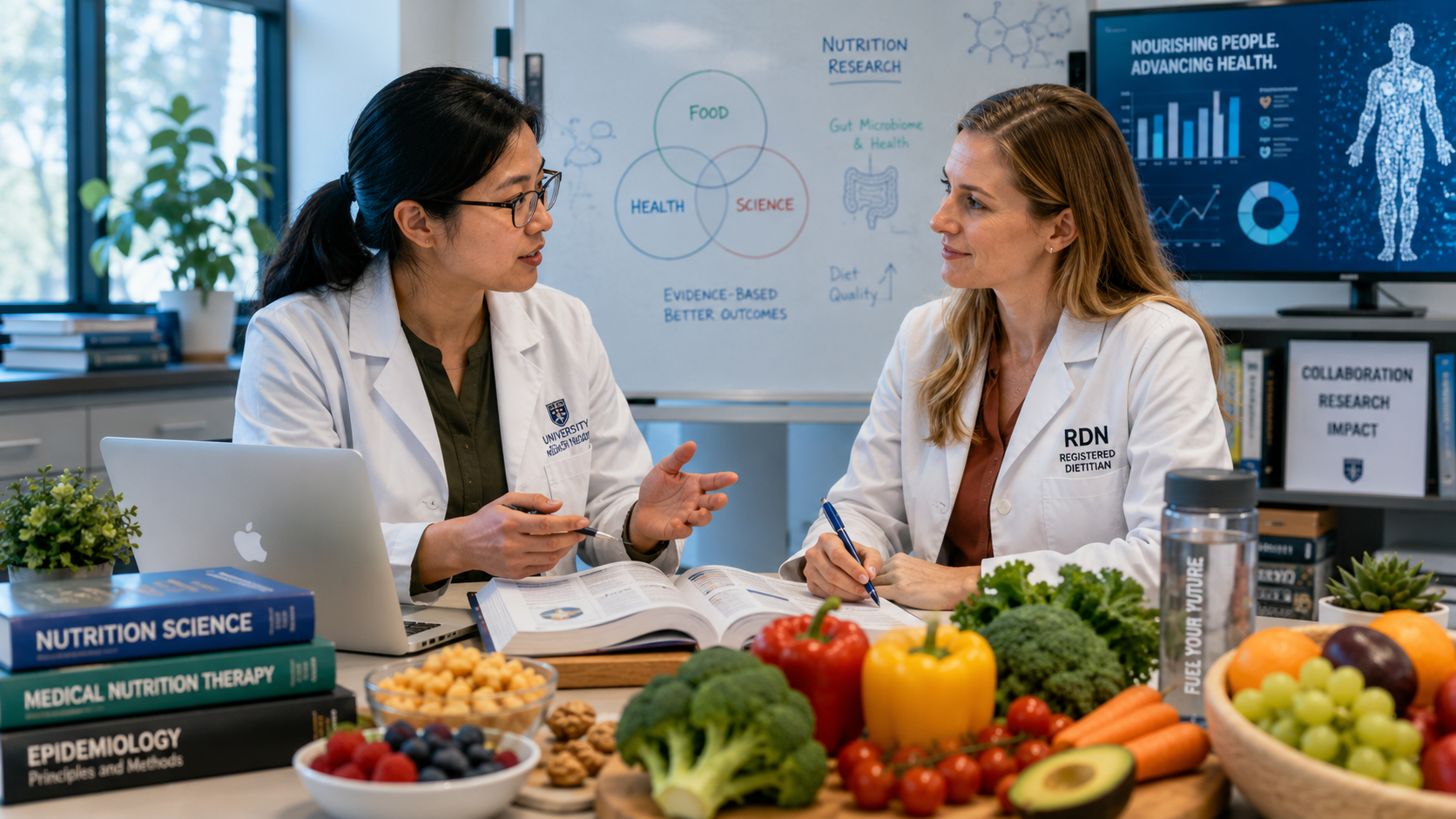
If nutrition is more consistently integrated into healthcare, patients could receive earlier, more tailored guidance alongside medical treatments. For clinicians, stronger nutrition training and access to dietitians could improve care for conditions where diet plays a central role. At the system level, cross-disciplinary approaches that include nutrition may help address health disparities linked to food access and social determinants of health.
What to keep in mind
The news coverage from Medical News Today and activity at academic institutions point to growing interest, not to a settled clinical standard. Much of the research connecting diet to health is observational, which shows association but not always direct cause and effect. How nutrition services are implemented, funded, and evaluated varies widely. Individual needs differ, and what works in a research setting or a university program may not translate immediately to every clinic or community.
Medical caution: before making major changes to your diet or medical care, speak with a qualified health professional, such as your primary care clinician or a registered dietitian.
The bottom line
Medical News Today’s reporting on Old Dominion University reflects a larger trend: nutrition is becoming a more prominent topic in efforts to improve health care and prevent disease. While the concept is promising, the practical details, evidence of long-term impact, and best ways to implement nutrition-focused care are still evolving. For individuals, the practical step is to discuss nutrition-related concerns with trusted health professionals and to seek personalized guidance rather than one-size-fits-all solutions.