Picketa Systems raises $2.1M to scale real-time crop nutrition amid fertilizer price pressures
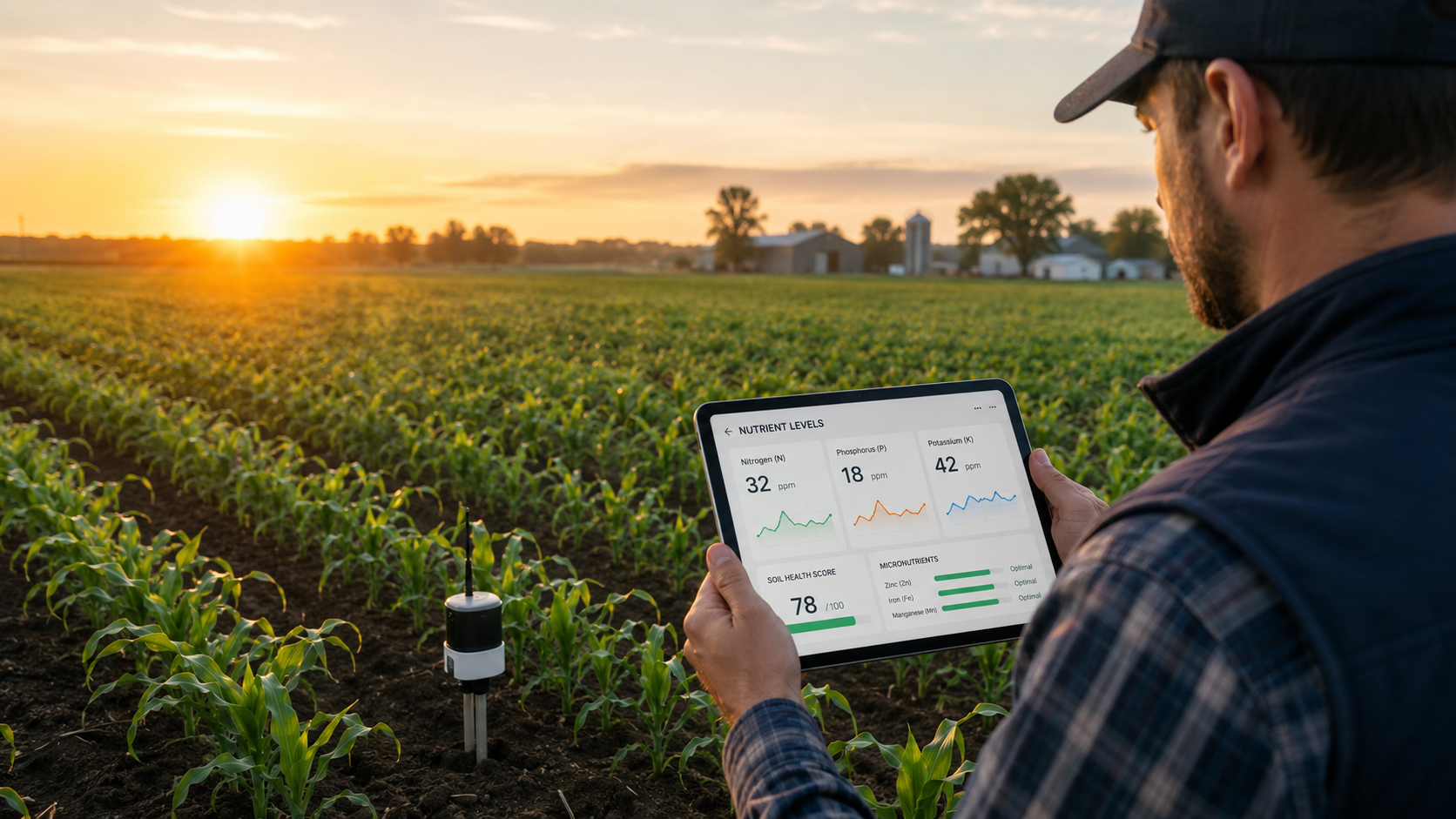
Picketa Systems has secured USD 2.1 million to expand a platform that delivers real-time crop nutrition information, a move the company and investors say could help growers respond to elevated fertilizer costs and optimize nutrient use.
Medical News Today reported on the funding and the company plan, which centers on scaling a sensor and data-driven system that provides growers with up-to-the-minute information about crop nutrient status. The report framed the raise as part of a wider industry shift toward precision tools that aim to reduce input waste and improve economic outcomes for farms.
Context
Fertilizer prices have been volatile in recent years, prompting growers and agribusinesses to look for ways to use inputs more efficiently. Real-time nutrient monitoring is one of several emerging approaches within precision agriculture, which also includes satellite imagery, variable-rate application technology, and soil testing services.
Platforms that integrate sensors, analytics, and farm management software aim to give farmers timely information so they can make targeted decisions—for example where and when to apply nitrogen or other nutrients. Proponents say that in addition to potential cost savings, more precise nutrient application can reduce environmental runoff and emissions, though outcomes vary by region, crop, and management practices.
Evidence
The coverage by Medical News Today indicates the new funding is intended to accelerate Picketa Systems’ rollout and product development. The company describes its offering as a real-time crop nutrition platform, implying a combination of field sensors, data processing, and user-facing tools that translate measurements into actionable guidance.
Investor interest, reflected in the funding round, signals market confidence in the commercial potential of agriculture technology that targets input efficiency. This funding will likely be used for product refinement, wider deployment pilots, and connecting sensors and software with on-farm workflows.
Why this matters
For growers, rising fertilizer costs increase the financial pressure to apply nutrients only where they are needed. Tools that deliver timely nutrient information can help prioritize applications and avoid blanket fertilization across entire fields.
For the wider food and environmental system, technologies that support more precise nutrient use may reduce excess fertilizer runoff to waterways and lower greenhouse gas emissions associated with fertilizer production and use, if they are adopted and used correctly.
Limitations
It is important to note that a funding announcement does not prove the technology produces consistent benefits in real-world farming conditions. Many precision agriculture tools show promise in pilot trials, but performance can vary by soil type, climate, crop species, equipment compatibility, and user expertise.
Medical News Today reported the investment and company objectives, but did not publish peer-reviewed trial results demonstrating economic or environmental outcomes across diverse farm settings. Independent, replicated field studies and long-term monitoring are typically required to establish how a new sensor platform performs at scale.
What to keep in mind
Farmers and agronomists considering new monitoring tools should weigh potential benefits against costs, including upfront equipment, subscription fees, and the time needed to integrate data into management routines. Compatibility with existing machinery and software, local agronomic recommendations, and availability of technical support are practical factors that influence adoption.
If you are evaluating a real-time nutrition system, look for demonstrations on crops and soils similar to yours, ask for performance data, and consult with trusted agronomy advisors. Early adopters often gain experience and operational advantages, but they also take on higher implementation risk.
The bottom line
Picketa Systems’ USD 2.1 million funding round, reported by Medical News Today, highlights investor interest in technologies that aim to help growers manage rising fertilizer costs with real-time nutrient information. The announcement is a step for the company, but it is not a substitute for evidence from independent field trials or personalized agronomic advice.
Growers should view the news as a signal that precision nutrient tools are attracting capital and development, yet carefully evaluate any specific product against local conditions, cost constraints, and consultation with agronomy professionals before changing nutrient management practices.