NNC launches 52nd National Nutrition Month, urges collective action on nutrition and food security
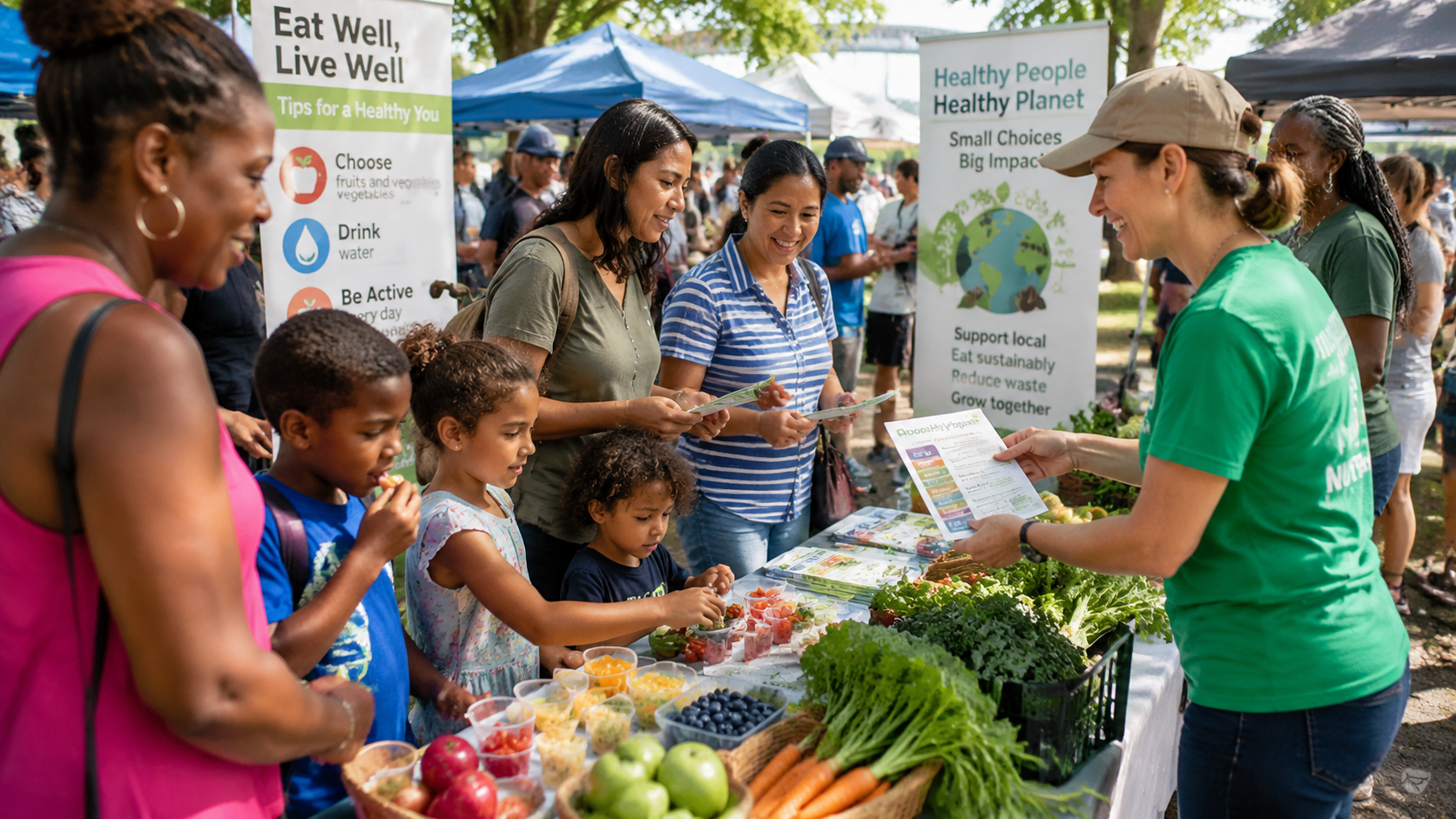
Medical News Today reports the NNC launched the 52nd National Nutrition Month, calling for collective action to improve nutrition, food security and sustainability. The announcement frames the month as a time for policy makers, communities and households to re-engage on how food systems and diets affect health and the environment.
The coverage from Medical News Today summarizes the council’s central message: advancing nutrition outcomes now requires coordinated effort across sectors. The campaign emphasizes links between healthy diets, reliable access to food, and environmental stewardship as interconnected goals rather than separate priorities.
Why this matters
Annual nutrition observances are designed to raise awareness and mobilize action. When a national body calls for “collective action,” it signals that the problem extends beyond individual choices. Nutrition is shaped by the availability, affordability and quality of food, which in turn are influenced by agriculture, trade, urban planning and environmental practices.
Highlighting food security and environmental sustainability alongside nutrition reflects a growing recognition among public health planners that diets are not only personal health issues but also social and ecological challenges. Campaigns like this can help align public messaging, encourage cross-sector partnerships and draw attention to gaps in services or policy.
What the evidence and announcement say
According to Medical News Today, the NNC used the launch to call for coordinated efforts to strengthen nutrition and food security while considering environmental impacts. The announcement does not present new clinical research or program evaluations. Instead, it functions as a policy and advocacy statement aimed at galvanizing stakeholders from government agencies to community groups.
On a practical level, such campaigns typically promote activities that include public education about healthy eating, support for local food production and supply chains, and initiatives to reduce food waste. They also create opportunities for government and non-government partners to announce programs, funding or local events that support better food environments.
What to keep in mind
First, a launch or campaign should not be interpreted as proof that specific new programs will be implemented or that immediate health outcomes will change. Public awareness is a necessary step, but measurable improvements in nutrition and food security depend on resources, sustained policies and effective program design.
Second, calls for “collective action” are intentionally broad. How agencies, local governments and communities respond can vary widely. The announcement does not provide details about specific interventions, timelines or funding commitments. For people looking for concrete supports, local health departments, nutrition centers or community organizations are typically the best first contact points.
Third, while linking nutrition and environmental sustainability is increasingly common in public health discourse, translating that linkage into everyday choices can be complex. Recommendations that balance nutritional adequacy, cultural preferences, affordability and reduced environmental impact require tailored guidance rather than one-size-fits-all advice.
The bottom line
The NNC’s launch of the 52nd National Nutrition Month, as reported by Medical News Today, aims to refocus attention on nutrition while explicitly connecting it to food security and environmental sustainability. This is a policy and awareness initiative meant to encourage partnerships and public engagement rather than a report of new clinical findings or guaranteed program rollouts.
For readers, useful responses include learning what local events or services are available during the month, supporting community food programs, reducing household food waste and choosing a varied diet within personal and cultural preferences. Those considering significant diet changes or with specific health conditions should consult a qualified health professional before making adjustments.
Medical caution: This article summarizes an announcement and does not provide medical advice. Speak with a qualified health professional for personalized nutrition guidance or before changing your diet, especially if you have chronic health conditions or special nutritional needs.