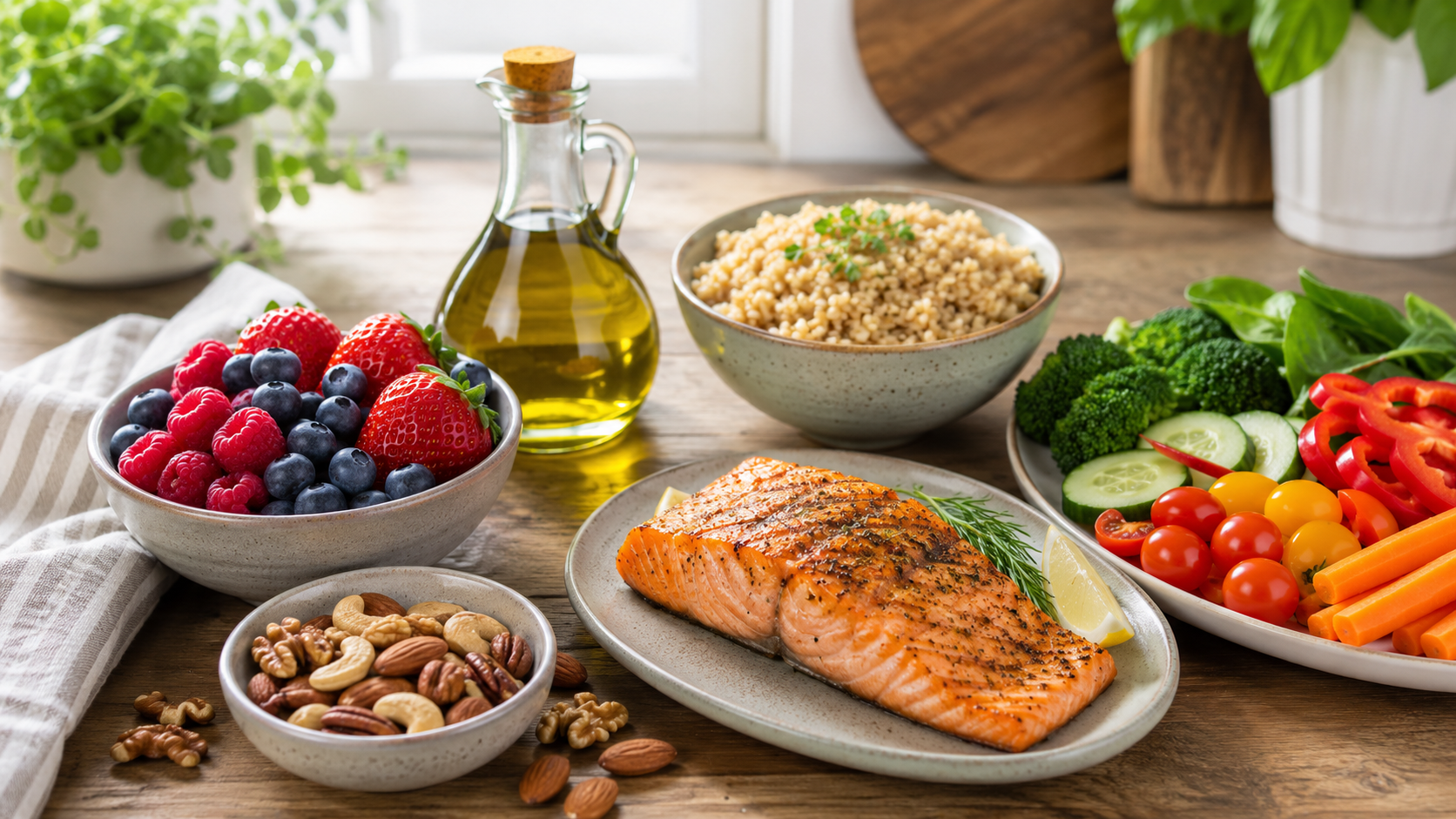
Medical News Today recently published a short list of five foods people can include daily to support heart health. The core idea aligns with long-standing nutrition guidance: small, consistent food choices can contribute to a healthier heart over time.
This article explains what that recommendation means, why it matters for everyday health, what the research and major dietary patterns show, and practical, safe ways to apply the guidance in real life. Consult a qualified health professional before making major changes to your diet, especially if you have existing medical conditions or take medications.
Context
Nutrition advice for heart health has shifted from single “superfood” thinking toward overall dietary patterns. Diets such as the Mediterranean and DASH patterns emphasize whole foods: vegetables, fruits, whole grains, legumes, nuts, fish, and healthy oils. Medical News Today distilled that approach into a short list of everyday items, reflecting this pattern-based thinking rather than promising any quick fix.
Evidence
Decades of observational studies and randomized trials have shown that eating more plant-based foods, choosing unsaturated fats over saturated and trans fats, and favoring whole grains over refined grains are associated with lower risks of heart disease and stroke. For example, regular consumption of vegetables, fruits, legumes, nuts, and fatty fish is commonly linked in research to better cholesterol profiles, lower blood pressure, and reduced inflammation.
Importantly, most of the evidence comes from population studies that observe associations, and from dietary trials that test broader patterns rather than single foods. That means the benefits are usually attributed to overall eating habits and nutrient combinations, not a single ingredient eaten in isolation.
Why this matters
Heart disease remains a leading cause of illness and death in many countries. The foods people eat every day add up: small, sustainable swaps can change nutrient intake across months and years. Choosing whole grains instead of refined ones, adding a daily serving of vegetables or fruit, or switching a snack to a handful of nuts are modest changes that can improve blood pressure, cholesterol, and body weight when sustained.
What to keep in mind
One daily food will not prevent or reverse heart disease by itself. The impact of any single food depends on the rest of your diet and other lifestyle factors such as physical activity, sleep, smoking, alcohol use, and medical treatment when needed.
Also be aware of portion size and food form. For example, whole fruits are better sources of fiber than fruit juices. Nuts and olive oil are heart-healthy sources of unsaturated fat, but they are calorie dense, so large portions add extra energy. Processed versions of otherwise healthy foods can contain high levels of sodium, added sugars, or unhealthy fats, which reduce their benefit.
Limitations
Medical News Today summarized foods that can fit into a heart-healthy pattern, but the evidence base does not support treating any single food as a guaranteed prevention strategy. Much of nutrition science relies on observational data, which can be affected by other lifestyle differences that track with diet. Randomized controlled trials of whole dietary patterns provide stronger evidence, but these are harder to do over long periods.
Individual responses vary. People with specific health conditions, allergies, or those taking blood-thinning medications should discuss dietary changes with a clinician or registered dietitian. Some “everyday” foods may be unsuitable for people with certain conditions, or may interact with drugs.
The bottom line
The practical message behind a short list of daily heart-healthy foods is simple: make your daily eating pattern richer in whole, minimally processed plant foods, include healthy sources of unsaturated fats and omega-3s, and prefer whole grains. These choices fit established heart-healthy diets and are supported by a broad body of research as part of an overall lifestyle approach to reducing cardiovascular risk.
Reader takeaway
If you want to put this into practice, try small, sustainable steps: add a serving of vegetables or a piece of fruit to a meal each day, swap refined grains for whole grains, choose a small portion of nuts as a snack, use olive oil instead of butter for cooking, and include fatty fish or a plant-based omega-3 source a few times weekly. Monitor portion sizes and reduce processed foods high in sodium, added sugars, and unhealthy fats.
Always check with a qualified health professional before changing your diet in ways that could affect chronic conditions or medications. A clinician or registered dietitian can help tailor recommendations to your health needs, preferences, and cultural food patterns.