Erling Haaland diet: what the 6,000-calorie organ-meat report means for athletes and regular eaters
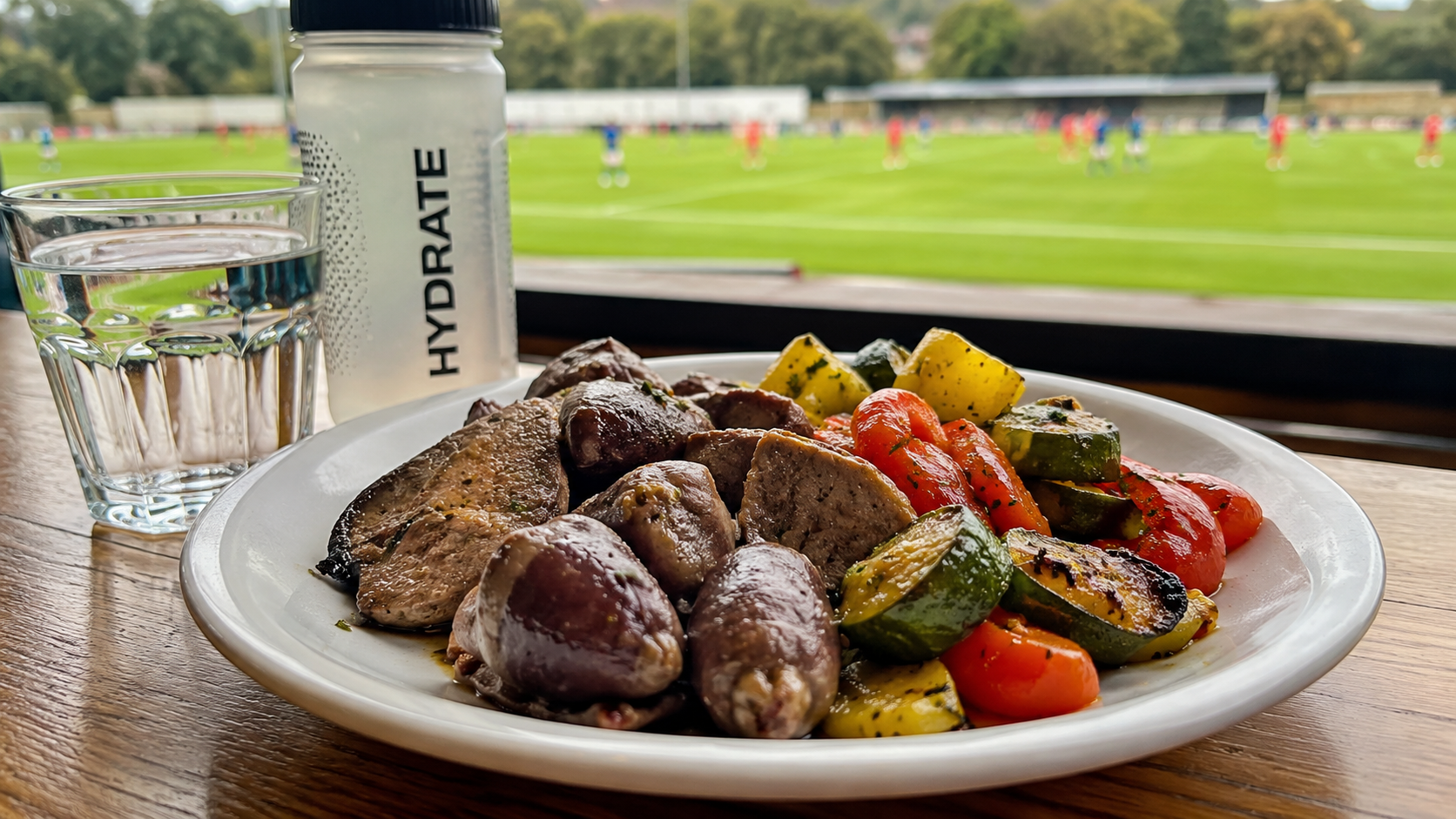
A recent media report has drawn attention to the diet reportedly followed by soccer forward Erling Haaland, described as a very high calorie plan centered on organ meats. That combination — extreme calorie intake plus regular consumption of nutrient-dense organ meats — has prompted questions about why a top athlete might follow such a program and whether it has health implications for others.
Medical News Today covered the story as reported in Men’s Health Magazine Australia, which highlighted the claim that Haaland consumes about 6,000 calories per day and includes organ meats in his meals. The original piece focuses on what the diet looks like and why it might suit an elite athlete, rather than presenting new scientific research on long-term benefits or harms.
Context
Elite athletes often have energy and protein needs that far exceed those of the average person. Intense daily training, frequent matches, and the physical demands of professional sport can require large calorie intakes to support performance, recovery, and body composition goals.
Organ meats such as liver, heart, and kidney are often described as nutrient-dense. They supply concentrated amounts of vitamins and minerals that are harder to obtain from muscle meat alone. For athletes seeking to maximize micronutrient intake in a compact form, organ meats can be an appealing option.
Evidence
The claim about Haaland’s 6,000-calorie intake and focus on organ meats comes from magazine reporting. This kind of report can provide a window into one athlete’s personal approach, but it is not the same as controlled research that tests outcomes across people or time.
General nutrition science supports two relevant points. First, some elite athletes do require very high calorie intakes, sometimes several times higher than a sedentary adult, to maintain weight, fuel training, and enable recovery. Second, organ meats are rich sources of certain nutrients, including iron, vitamin B12, folate, and fat-soluble vitamins, which can be useful when dietary needs are high.
However, media descriptions of a single athlete’s diet do not establish that the approach is optimal, safe, or necessary for others. They also typically do not report on medical screening, monitoring, or individualized adjustments that professionals would use when managing such a diet for an athlete.
Why this matters
High-profile athletes influence food trends and public perceptions about what counts as a healthy diet. When reports about celebrity diets circulate, some readers may be tempted to copy those practices without considering differences in energy needs, underlying health conditions, or potential nutrient risks.
Organ meats can help correct or prevent micronutrient deficiencies in some people, but they can also provide very high amounts of certain nutrients if eaten frequently or in large quantities. That makes understanding both potential benefits and limits important, especially for people with preexisting health conditions or those taking supplements or medications.
What to keep in mind
1) Anecdote is not evidence. This is a media report about one athlete’s regimen. It does not replace peer-reviewed research on long-term health effects or performance outcomes.
2) Nutrient density and balance matter. Organ meats are concentrated sources of vitamins and minerals. For many people, small portions consumed occasionally can boost nutrient intake. For others, especially those on supplements or with medical conditions, frequent large portions may be excessive.
3) Safety and preparation. Like other animal products, organ meats must be handled and cooked properly to reduce foodborne illness risk. People with specific medical advice from their clinician should follow that guidance.
4) Individual needs vary. Energy requirements depend on age, sex, body size, activity level, and goals. What is appropriate for a professional soccer player may be unnecessary or harmful for someone with lower activity levels.
5) Talk to a professional. Before changing your diet substantially, especially toward very high calorie intakes or concentrated sources of micronutrients, consult a registered dietitian or physician who knows your health history.
Limitations
The available reporting does not provide details about portion sizes, exact food choices, timing around training, supplementation, medical monitoring, or how long the reported pattern has been followed. Those factors affect both performance outcomes and safety.
There is also no public, peer-reviewed research confirming that this particular diet produced specific performance gains or health effects for Haaland. Individual athlete diets are often tailored by teams and nutrition professionals, and their effectiveness is assessed with individualized testing that is not shared in popular reports.
The bottom line
Media coverage of Erling Haaland’s reported 6,000-calorie, organ-heavy eating plan offers an intriguing look at how one elite athlete may fuel intense training. Organ meats are nutrient-dense and can help meet high micronutrient needs, but they are not a universal solution.
For most people, especially nonathletes, copying a high-calorie, organ-focused diet without professional guidance is not advisable. If you are curious about incorporating organ meats or changing your calorie intake for athletic or health reasons, consult a registered dietitian or healthcare provider to ensure changes are safe and appropriate for your circumstances.
Medical caution: This article discusses media reports and general nutrition principles. It is not medical advice. Speak with a qualified health professional before making major changes to your diet.