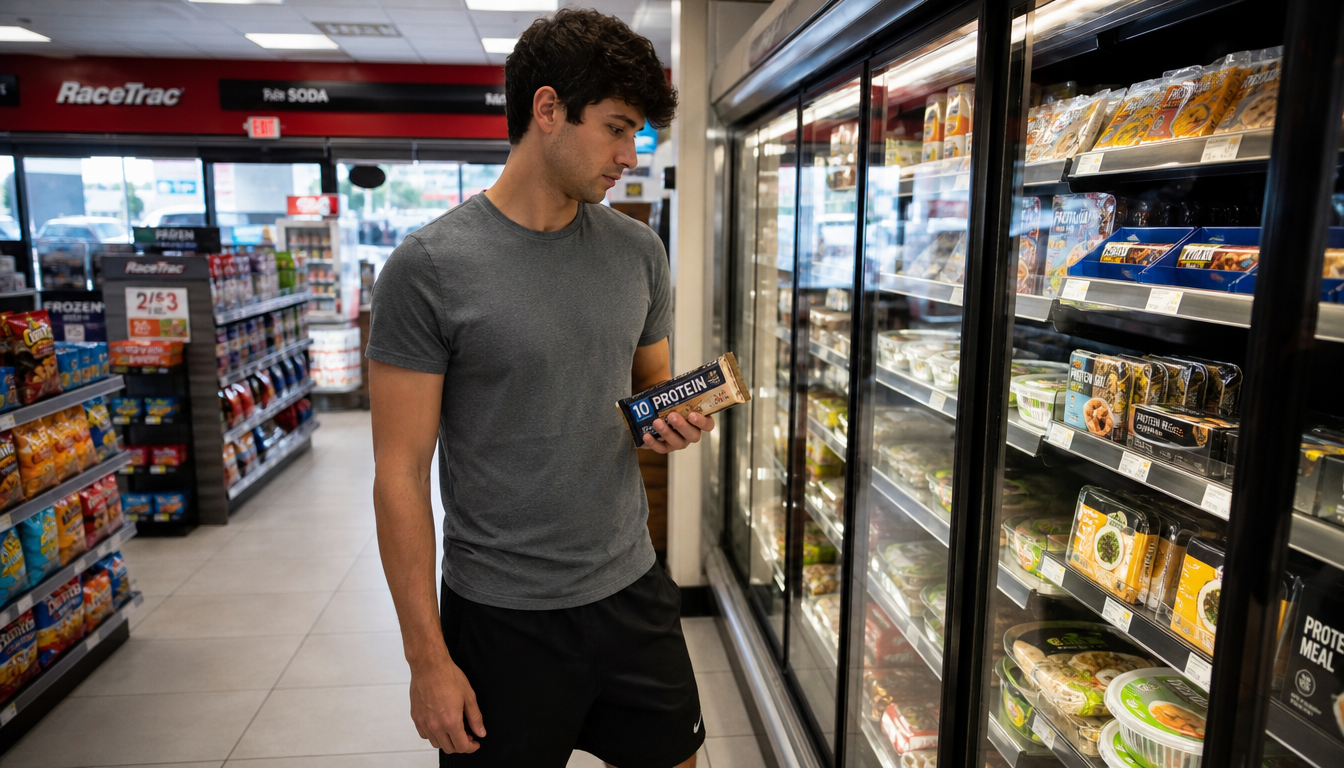
Medical News Today published a first-person account of attempting a high-protein diet while visiting what the author described as the world s largest gas station. The piece explored whether a protein-focused eating plan can be maintained using predominantly convenience-store and gas-station food options.
The original article describes the author s choices and experience selecting protein-rich items from the store, and reflects on practical trade-offs such as availability, freshness, and processing. Below we put that anecdote into context for readers considering higher-protein eating in real-world settings.
Why this matters
Many people turn to higher-protein diets to feel fuller between meals, support muscle maintenance, or make it easier to meet daily nutrient goals. But not everyone has easy access to full-service grocery stores or home cooking during travel or busy days. Understanding how feasible a higher-protein approach is when relying on convenience outlets matters for people who commute, travel, or work irregular hours.
Context
The Medical News Today first-person piece is an illustration of one person s attempt to build meals and snacks around protein while relying on convenience-store offerings. It highlights a common question: can you make health-focused choices from a limited, convenience-oriented food environment?
Evidence
The report is anecdotal rather than a formal study. It documents what a single chooser found available and how those choices felt in practice. Readers should view this as a practical snapshot, not a scientific test. Still, such accounts are useful because they show the kinds of packaged, prepared, and refrigerated protein options people may realistically encounter when away from home.
Key practical points raised by the account include the variety of protein-containing items on offer, from ready-to-eat refrigerated meals and prepacked deli items to protein bars and canned or pouched proteins. The piece notes trade-offs that commonly appear in convenience foods, such as higher levels of sodium, preservatives, or added ingredients, and the importance of reading labels when possible.
What to keep in mind
This is a single-person narrative. It does not measure health outcomes, track intake precisely, or compare the strategy with other diets in a controlled way. Availability and quality of protein options vary widely by location, brand, and time of day. Convenience choices can be practical for short-term needs but may include more processing, sodium, or added sugars than fresh-prepared options.
If you have medical conditions, special dietary needs, or take medications that affect nutrient needs, talk with a qualified health professional before making significant changes to your diet.
The bottom line
The Medical News Today first-person account suggests that it is possible to assemble higher-protein meals and snacks at a large, well-stocked gas-station convenience store, but doing so requires attention to product labels and trade-offs between convenience and nutritional quality. For occasional travel or busy days, convenience outlets can provide workable protein options. For long-term dietary changes or specific health goals, plan ahead and consult a healthcare professional to ensure balanced, safe choices.
Practical tips from the account: prioritize minimally processed refrigerated or fresh items when available, read nutrition labels for protein and sodium content, and combine protein sources with vegetables, fruit, or whole grains when feasible to improve balance.