Medical News Today published a piece examining possible connections between diet, pesticide residues on food, and cancer risk. The report brings together research findings and expert commentary to explore how what we eat might intersect with exposure to agricultural chemicals.
The Medical News Today article does not present a single definitive answer. Instead, it highlights the complexity of the question: dietary choices can both expose people to low levels of pesticides and provide nutrients that reduce cancer risk, and researchers continue to investigate how these factors interact.
Context
Pesticides are used in agriculture to control pests and protect crops. Trace amounts of these chemicals can remain on or in produce, which means food is a common route of human exposure. At the same time, a diet rich in fruits, vegetables, whole grains, and other nutritious foods is associated with lower risks for many chronic diseases, including some cancers.
Evidence
The Medical News Today article reviews the current state of research, which includes epidemiological studies, laboratory research, and expert assessments. Researchers are working to understand whether long term, low level dietary exposures to different types of pesticides influence cancer risk, and whether those possible effects differ by pesticide class, amount of exposure, or individual susceptibility.
Why this matters
For consumers, the topic matters because it touches on everyday choices: selecting which foods to buy, how to prepare them, and how to weigh the health benefits of produce against concerns about chemical residues. The discussion also has implications for public health policy, agricultural practices, and regulatory standards aimed at protecting the food supply.
What to keep in mind
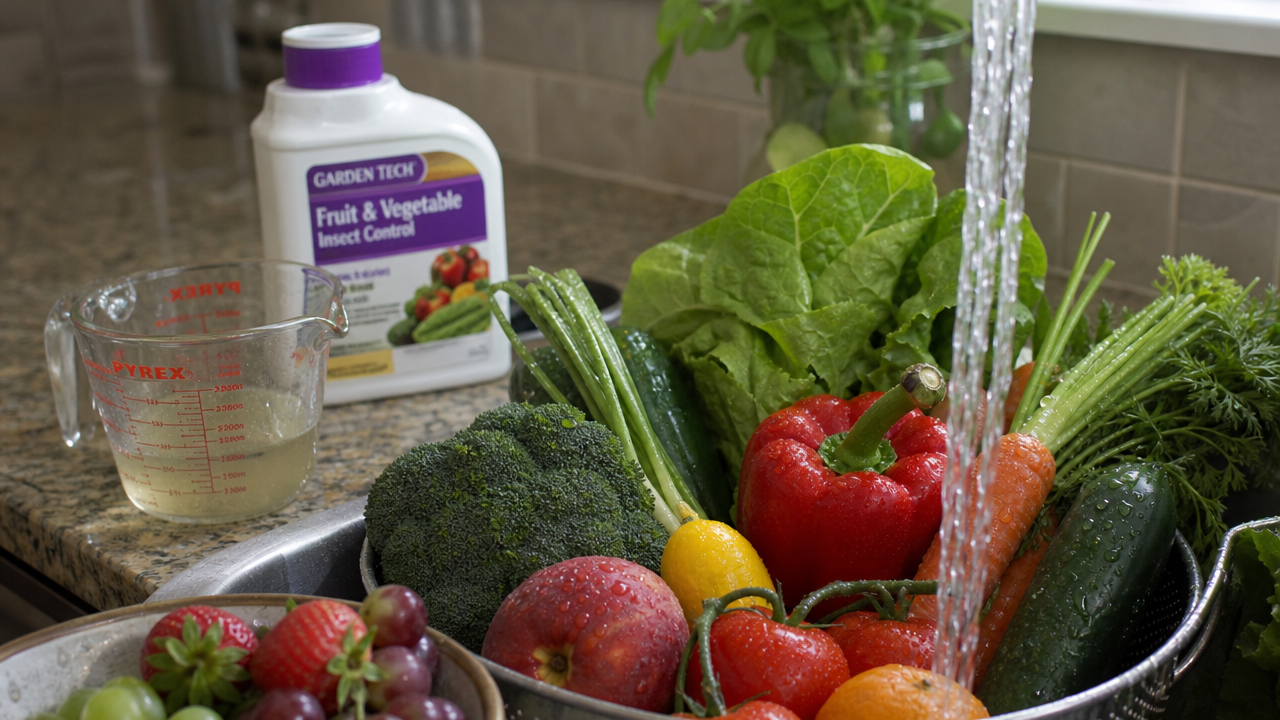
The available evidence is complex and evolving. Practical points to consider include focusing on overall diet quality, since the protective effects of a varied, nutrient-rich diet are well established. Simple steps that may reduce potential exposure include washing fruits and vegetables under running water and varying the types of produce you eat, though no single action eliminates all residues.
Differences between organic and conventionally grown produce can be nuanced. Some consumers choose organic to reduce certain types of pesticide residues, but organic does not mean completely free of all pesticides, and availability, cost, and nutritional content vary.
Limitations
Research on diet, pesticide exposure, and cancer faces several challenges. Many human studies are observational, which can identify associations but cannot prove cause and effect. Exposure levels, types of chemicals, and individual health factors differ widely, making it hard to generalize. Laboratory studies can show mechanisms but may not reflect real-world exposures. More rigorous, long-term research is needed to clarify risks and to inform specific recommendations.
The bottom line
The Medical News Today overview underscores that the relationship between dietary pesticide exposure and cancer risk is an active area of research, not a settled issue. For most people, current expert guidance supports eating a balanced diet rich in fruits and vegetables while taking reasonable steps to minimize avoidable exposures. If you have specific health concerns or need tailored advice, speak with a qualified health professional.