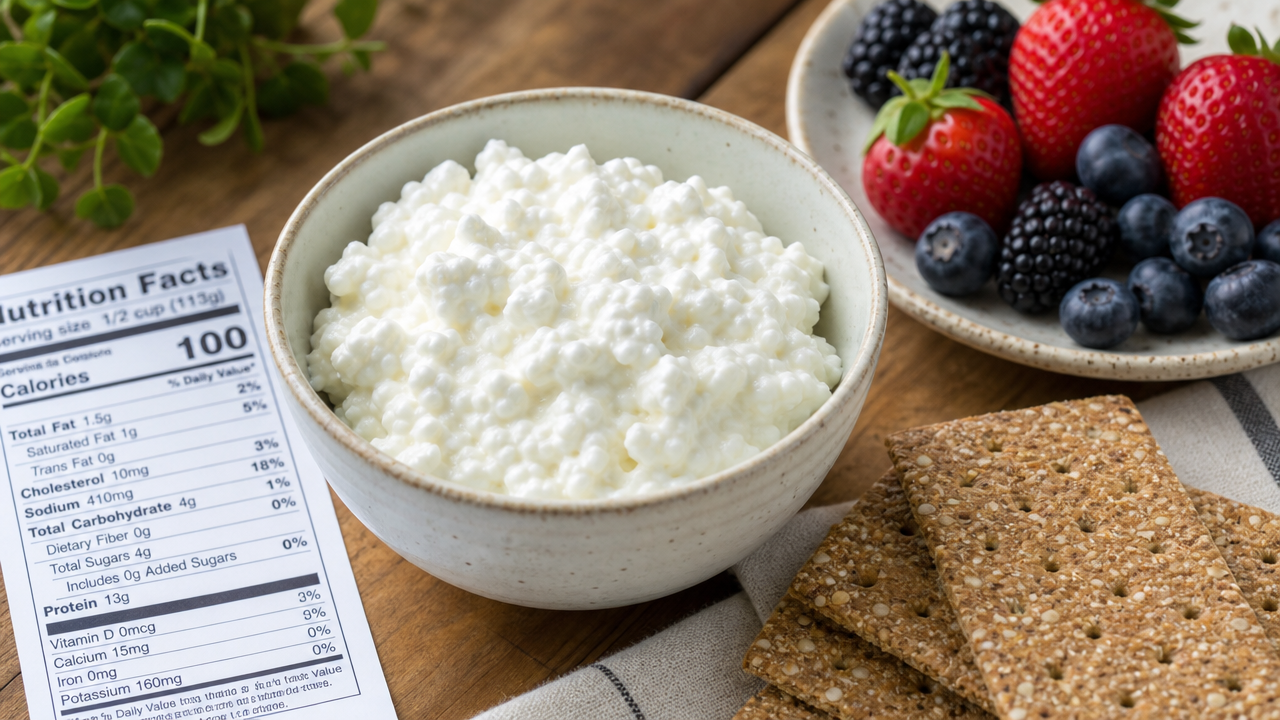
Medical News Today reports on types of foods that people aiming to lose weight can choose to feel full longer and, in turn, help limit fat accumulation. The practical idea is to prioritize foods that promote satiety so you are less likely to overeat or reach for high-calorie processed snacks.
That guidance, summarized from nutrition reporting, centers on three broad qualities in foods: higher protein, more fiber and greater volume from water- and air-rich items. These qualities tend to slow digestion, blunt hunger signals and reduce calorie intake at subsequent meals.
Why this matters
Feeling full between meals is a simple behavioral advantage: it reduces the urge to snack and makes it easier to stick with a calorie-controlled plan. Over time, repeated overconsumption contributes to fat gain. Choosing foods that increase satisfaction per calorie, therefore, can help people maintain a lower overall energy intake without constant hunger.
What the evidence and experts say
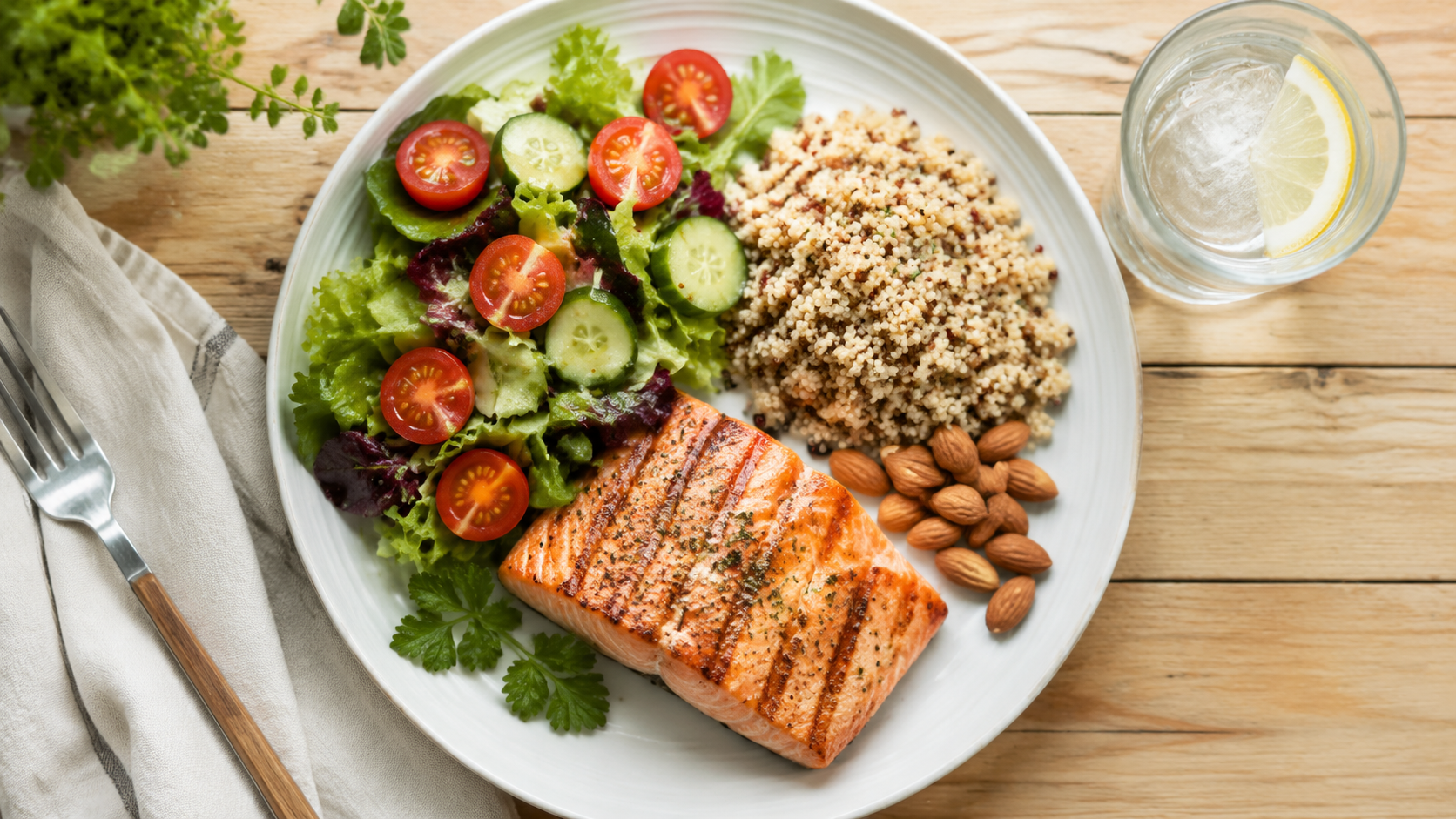
Nutrition professionals often highlight several food groups as helpful for promoting fullness and supporting weight-management efforts. These include lean protein sources, high-fiber plant foods, whole grains, legumes, nuts and seeds, and water-rich fruits and vegetables. Such foods differ from refined, energy-dense processed items that tend to be easier to overeat.
In practical terms, meals that combine a source of protein (for example, fish, poultry, tofu, or beans), fiber-rich vegetables and whole grains, and modest amounts of healthy fat (like olive oil or nuts) are commonly recommended because they provide sustained energy and sensory satisfaction.
What to keep in mind
There is no single food or magic ingredient that guarantees weight loss. Individual responses vary depending on genetics, activity level, sleep, stress, medications and underlying health conditions. Portion size still matters, even for healthy foods: nuts and oils are nutritious but calorie dense.
If you have medical conditions, are taking medication, or plan a major dietary change, speak with a qualified health professional such as a registered dietitian or your primary care clinician before making adjustments.
The bottom line
Focusing on foods that combine higher protein, substantial fiber, and volume from water-rich vegetables and soups can help you feel fuller between meals and may reduce overall calorie intake. Emphasize whole, minimally processed options—lean proteins, legumes, whole grains, vegetables, fruits, nuts and seeds—while monitoring portions. Use these principles alongside other healthy habits, including regular physical activity and adequate sleep.
For personalized guidance, consult a health professional who can factor in your medical history and goals.