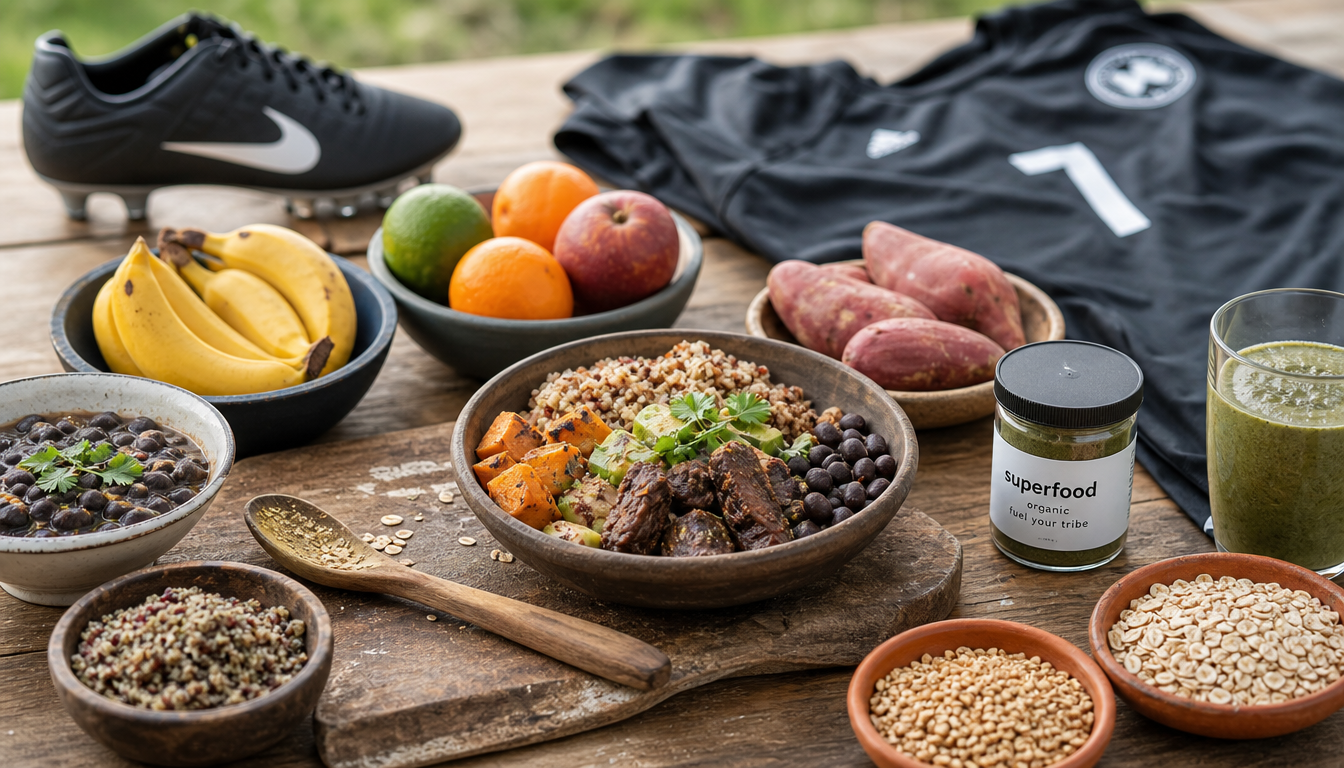
Erling Haaland reportedly follows a 6,000-calorie daily diet that includes traditional, or ancestral, dishes and a so-called “superfood” he reportedly favors. Medical News Today published the report that brought the details of the striker’s eating pattern into the public eye.
That report is the basis for this article: the core claim is that Haaland consumes about 6,000 calories a day and includes heritage-style meals and a specific nutrient-dense food in his routine. Below, we put that information in context, review what science and nutrition practice say about high-calorie plans for elite athletes, note important limitations, and offer practical takeaways for readers.
Context
Elite professional athletes often follow highly individualized nutrition programs designed to support intense training, recovery, and the physical demands of competition. Public interest in the diets of high-profile players like Haaland is common because their routines can look extreme compared with what most people eat.
When media outlets highlight celebrity or athlete diets, they are usually describing what works for one person with particular genetics, training volume, body composition goals, and professional support. That does not mean the same plan is appropriate or safe for everyone.
Evidence
The main, verifiable point from Medical News Today is the reported calorie total and the inclusion of traditional dishes and a favored nutrient-dense food item. High-calorie eating plans are used in sports nutrition to fuel large energy expenditures and to support muscle mass in athletes who train intensely or who have higher body-mass goals.
Nutrition science emphasizes three practical aims when energy intake is very high: provide enough total energy to match training demand, ensure adequate protein to support muscle repair and adaptation, and include a balance of carbohydrates, fats, vitamins, and minerals to sustain performance and recovery. Many teams employ multidisciplinary support—sports dietitians, strength and conditioning coaches, and medical staff—to tailor these variables day-to-day.
Including traditional or ancestral dishes can reflect cultural preference, variety, and nutrient density. The label “superfood” is a marketing term rather than a formal scientific classification. Foods commonly described that way tend to be rich in certain nutrients, but no single food guarantees health or performance on its own.
Why this matters
Public discussion of athlete diets matters because it can influence norms and beliefs about nutrition. Seeing a top athlete eat a very large number of calories may normalize extreme eating for some readers or create unrealistic expectations for others trying to emulate results without the same training or supervision.
Understanding why an elite athlete might need far more calories than the general population helps prevent misapplication. It is also a reminder that dietary patterns can be aligned with cultural foods and personal preference while still supporting performance goals, when planned appropriately.
What to keep in mind
First, a single athlete’s regimen does not provide a one-size-fits-all blueprint. Calorie needs depend on activity level, age, sex, body composition goals, metabolic rate, and medical history.
Second, large calorie totals should be managed with attention to nutrient quality. Getting most extra energy from highly processed, low-nutrient foods is not equivalent to meeting increased energy needs with a mix of whole grains, lean proteins, healthy fats, fruits, vegetables, and fortified foods as needed.
Third, the term “superfood” is imprecise. While certain foods are nutrient-dense and can contribute important vitamins, minerals, or bioactive compounds, no single food is a magic bullet. Balance, variety, and adequacy are the pillars of a sound nutrition plan.
Finally, if someone is considering major dietary changes, especially to increase calorie intake substantially, professional guidance is important. A registered dietitian or a sports nutrition specialist can assess energy needs safely and design a plan that supports health and performance.
Limitations
The information reported by Medical News Today is descriptive and centered on one high-profile individual. It does not provide a full, peer-reviewed nutrient analysis of the diet, nor does it present outcome data showing that the diet causes specific performance or health results.
Also, media summaries may omit the detailed monitoring, periodization, and medical oversight that typically accompany elite athletes’ nutrition programs. Without those elements, attempting to replicate a publicized diet could produce unintended weight gain, nutrient imbalances, or other health issues.
The bottom line
Medical News Today reports that Erling Haaland follows a roughly 6,000-calorie daily eating plan featuring traditional dishes and a favored nutrient-dense food. For elite athletes with very high training loads and specific body goals, high-calorie diets can be appropriate when carefully planned and supervised.
For most people, such an approach is unnecessary and could be harmful without professional oversight. If you are curious about changing your diet for athletic performance, body-composition goals, or health reasons, consult a qualified health professional or registered dietitian to design a safe, individualized plan.
Please note: This article explains published reporting and general nutrition principles. It does not provide individualized medical advice. Speak with a qualified health professional before making significant changes to your diet or exercise routine.