Your second month of pregnancy often brings new symptoms and new nutritional questions. Medical News Today recently outlined key dietary priorities for early pregnancy. This article summarizes that guidance and explains what it means for everyday meal planning during month two.
Medical News Today emphasizes focusing on nutrient-dense foods and safe eating practices as the embryo develops rapidly during these first weeks. The aim is not to follow a restrictive diet but to support early fetal development while managing nausea and other common pregnancy symptoms.
Context
The first trimester, including the second month, is a critical time for organ formation. Many people experience nausea, food aversions, fatigue, and heightened smell, which can make eating well harder. At the same time, certain nutrients are particularly important now because they contribute to early neural and structural development.
Evidence
Medical News Today and clinical guidance from obstetric care commonly highlight a small set of priorities: adequate intake of folate or folic acid, sufficient iron to support increased maternal blood volume, calcium and vitamin D for bones, protein for growth, and omega-3 fats (DHA) for fetal brain development. Prenatal vitamin supplements are recommended by health professionals to fill gaps that diet alone may not cover.
Food-safety recommendations are also widely advised. These include avoiding unpasteurized dairy, raw or undercooked meats and seafood, and foods with a higher risk of contamination that can cause infections harmful in pregnancy. Strong guidance to avoid alcohol and to limit or monitor caffeine intake is a consistent part of pregnancy advice.
Why this matters
Nutritional needs and food safety in early pregnancy support both the developing embryo and maternal health. Adequate intake of key nutrients helps lower the risk of some developmental problems and supports the mother as her body changes. Safe food handling reduces the risk of infections such as listeriosis, which can have serious consequences in pregnancy.
Practical recommendations
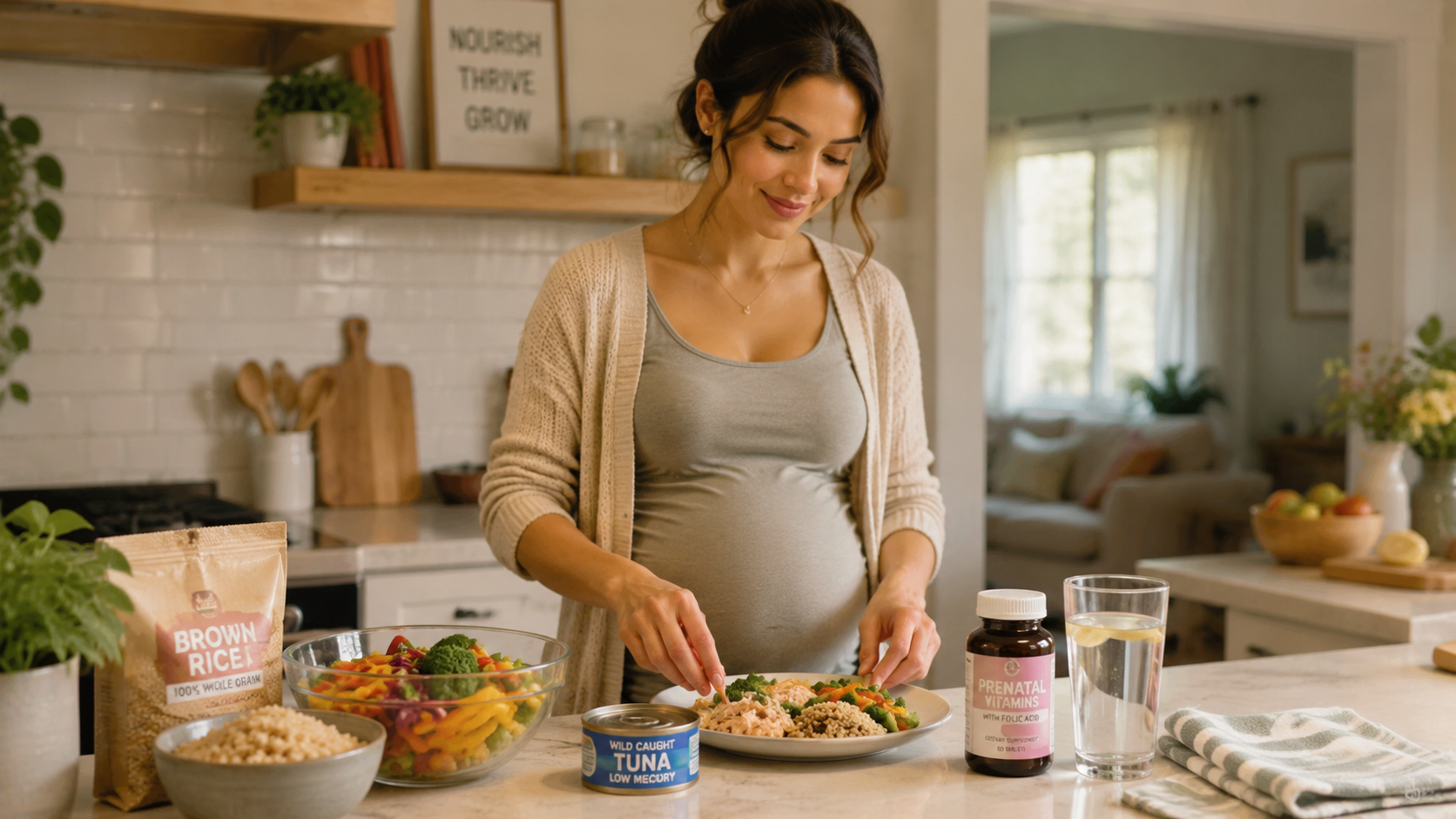
Focus on nutrient-dense foods rather than extra calories. Practical choices include: lean proteins (poultry, legumes, tofu), whole grains, a wide variety of vegetables and fruits, dairy or fortified alternatives for calcium and vitamin D, and sources of healthy fats such as oily fish low in mercury or plant-based omega-3 sources.
Manage nausea by trying small, frequent meals, bland carbohydrate snacks if needed, and cold or room-temperature foods that may be less triggering. If you have trouble keeping food down, discuss this with your clinician so you can avoid dehydration or weight loss.
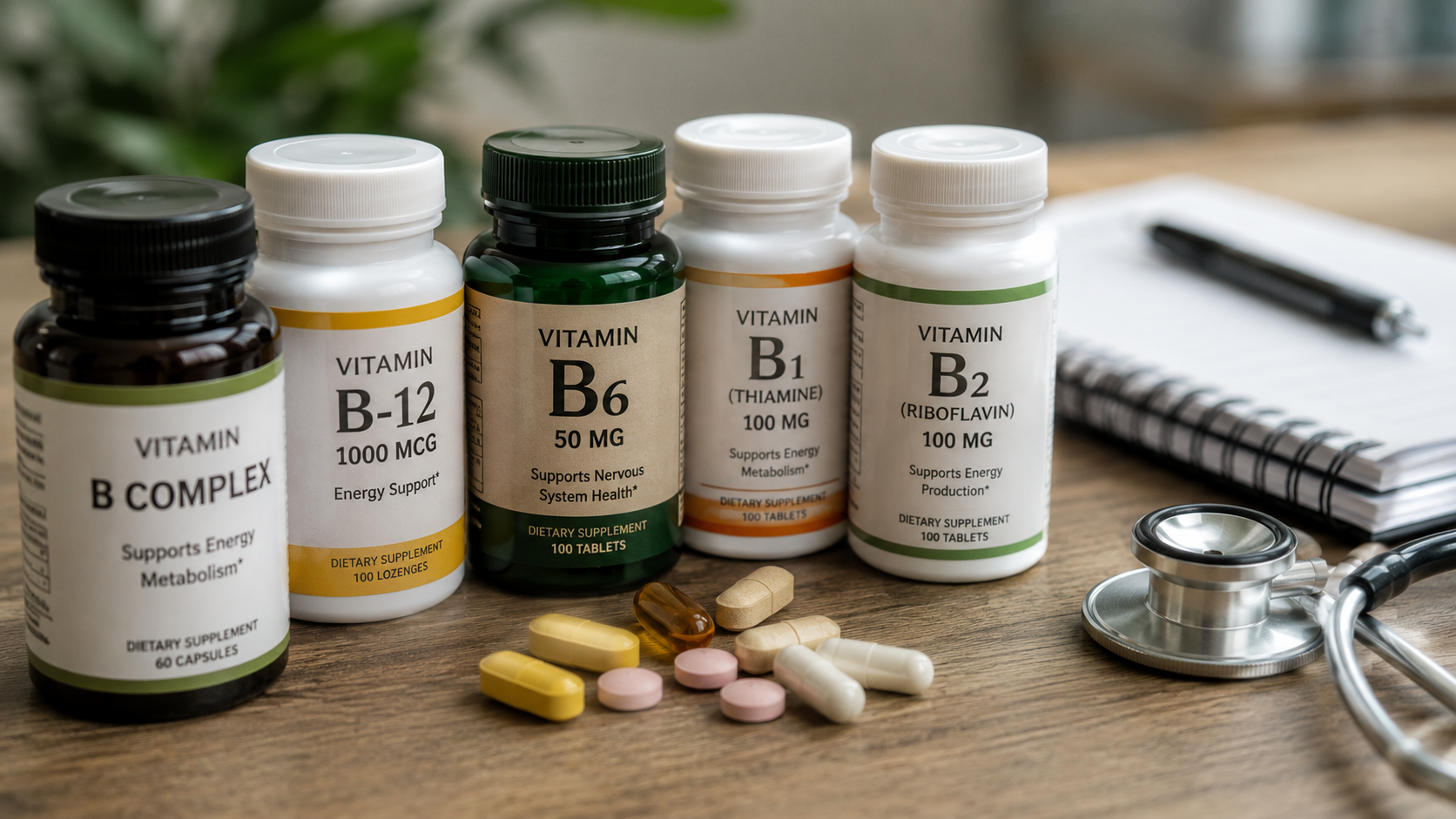
Consider a prenatal vitamin if you are not already taking one. Prenatal supplements are designed to provide nutrients that are harder to get in sufficient amounts from diet alone during pregnancy. Discuss options and timing with a health professional.
What to keep in mind
Individual needs vary. Your ideal eating plan depends on your baseline health, any preexisting medical conditions, your symptoms, and cultural or personal food preferences. Weight gain patterns differ; focus on steady, balanced nutrition rather than rapid changes on the scale.
Food safety is practical to implement: avoid unpasteurized cheeses and milks, raw fish and shellfish, undercooked eggs, and deli meats unless heated until steaming. Limit high-mercury fish, and avoid alcohol entirely. If you have questions about specific foods or supplements, check with your prenatal care provider.
Limitations
This article summarizes general guidance reported by Medical News Today and common clinical practice. It does not replace personalized medical advice. Evidence about optimal amounts of some nutrients and the best timing for supplementation is continually refined by research. Some recommendations may be adapted by clinicians based on individual patient needs.
The bottom line
In month two of pregnancy, prioritize nutrient-dense foods, basic food-safety practices, and a prenatal vitamin as discussed with your clinician. Manage nausea with small, tolerable meals, and avoid alcohol and high-risk foods. Talk with your healthcare provider to tailor nutrition and supplements to your specific situation.
Medical caution: This information is educational and not a substitute for professional medical advice. Speak with your obstetric provider or a registered dietitian before making changes to supplements or if you have significant symptoms such as persistent vomiting, inability to eat or drink, or other health concerns.