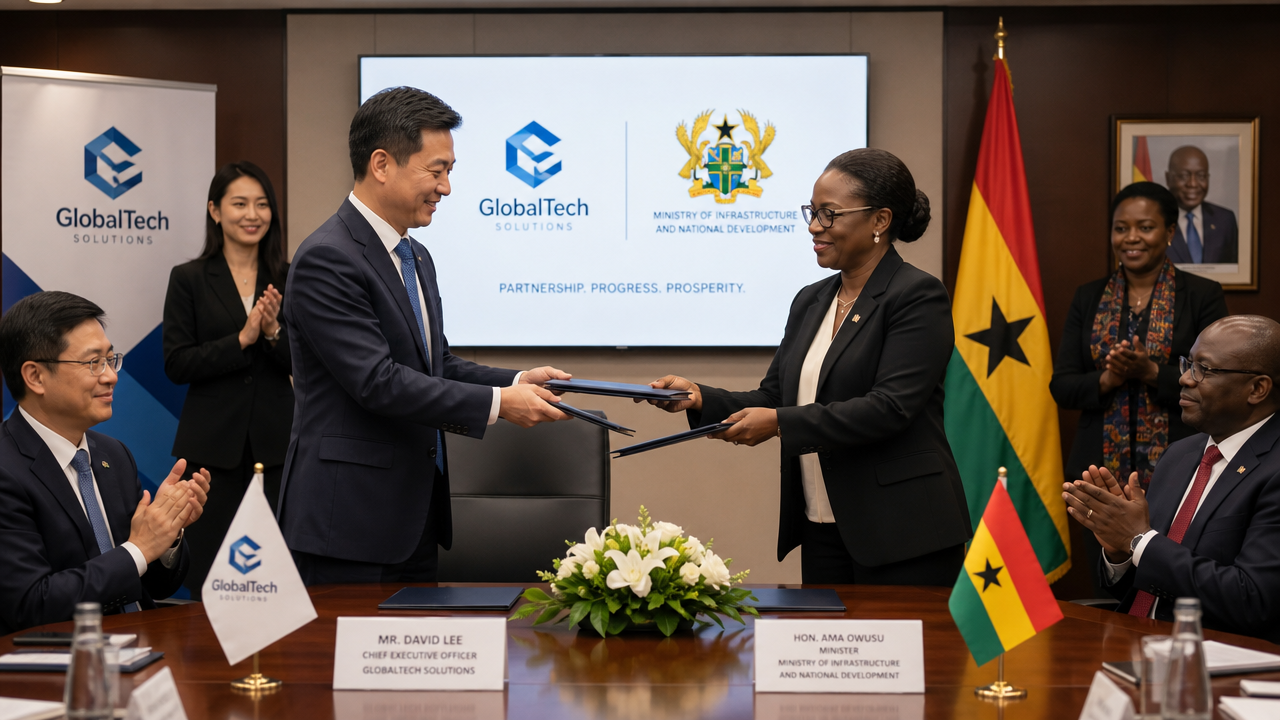
Nestle has signed a memorandum of understanding with Nigerian authorities intended to strengthen nutrition efforts, a move that could affect food policy, product formulation and public health programs. While the announcement signals renewed public-private engagement on food and nutrition, the practical effects will depend on the details, oversight and measurable commitments that have not yet been published.
The development was reported by Medical News Today, citing a story from Dairy Business Middle East & Africa. Those accounts indicate that the MoU is intended to bolster nutrition work in Nigeria, but they do not provide a public text of the agreement, specific targets, or timelines.
Context
Public-private agreements between governments and food companies are increasingly common around the world. They can be used to coordinate responses to malnutrition, support fortification of staple foods, improve supply chains for nutritious products, or fund training and community programs.
For readers, the involvement of a major global food company like Nestle raises both potential opportunities and concerns. On one hand, private-sector resources and logistics can help scale distribution of fortified foods or improve product availability. On the other, such partnerships require clear safeguards to avoid conflicts of interest and to ensure public health goals drive actions rather than commercial priorities.
What the report says
Medical News Today, referencing Dairy Business Middle East & Africa, reports only that Nestle and Nigerian authorities have signed an MoU aimed at strengthening nutrition. The available accounts do not include the text of the MoU, neither do they list agreed activities, funding amounts, monitoring arrangements, or performance indicators.
Because the public reporting is limited, there is no published evidence yet about what specific programs or policy changes will follow from the agreement, who will be responsible for implementation, or how success will be measured.
Why this matters
Nutrition partnerships at national scale can influence what foods are available, their price, and their nutritional profile. If implemented with clear public-health objectives and independent oversight, agreements between governments and food companies can contribute to improved access to fortified products, better infant and maternal nutrition programs, or more equitable distribution systems.
At the same time, absent transparent commitments and accountability, public-private MoUs risk favoring corporate interests, promoting products that may not deliver meaningful health benefits, or diverting attention from broader policy actions such as regulation, social safety nets, and health-system strengthening.
What to keep in mind
Key uncertainties remain about this specific MoU: the text of the agreement has not been published in the accounts cited, and there are no public details about timelines, funding, targets, or monitoring arrangements. Until those elements are clear, it is not possible to assess whether the MoU will lead to demonstrable nutrition improvements.
When governments and companies enter partnerships, watchdogs and independent evaluators typically recommend publicly available plans, clear indicators of success, third-party monitoring, and protections against marketing practices that could undermine public health (for example, inappropriate promotion of breastmilk substitutes). It is not yet known whether such safeguards are part of this MoU.
Consumers who are interested in potential changes should look for forthcoming announcements from Nigerian health authorities or Nestle about specific programs, product reformulations, labeling changes, or community initiatives. Health professionals and civil society groups will also be important to track implementation and hold parties accountable.
Limitations
The reporting available to date is limited and secondary. The raw news items referenced do not include the MoU text or an official statement that details commitments. There is no available data on planned budgets, timelines, geographic scope, or evaluation methods. Because of these gaps, any assessment of likely impact is necessarily provisional.
Also, public statements or signed MoUs do not always translate into funded, sustained programs. Implementation risk, changes in political priorities, and market dynamics can all affect outcomes after a memorandum is signed.
The bottom line
A reported MoU between Nestle and Nigerian authorities to strengthen nutrition is a noteworthy development that could help expand nutrition-related activities if it includes clear, measurable commitments and independent oversight. However, the publicly available reports so far do not provide enough detail to judge what will actually change on the ground.
Watch for forthcoming official documents, program announcements, and independent evaluations to understand whether this partnership produces meaningful public-health benefits. As always, consult a qualified health professional before making individual medical or nutritional decisions based on broad policy announcements.