New reporting in Medical News Today highlights research suggesting that diets richer in plant-based proteins could help reduce inflammation associated with inflammatory bowel disease, a family of long-term conditions that includes Crohn’s disease and ulcerative colitis.
The study was covered by Medical News Today and stemmed from a report shared via SBU News. It links higher intake of plant-derived protein sources to signals that may indicate lower gastrointestinal inflammation, prompting renewed interest in how protein source influences gut health.
Why this matters
Inflammatory bowel disease, or IBD, affects millions of people worldwide and can cause persistent abdominal pain, diarrhea, fatigue, and reduced quality of life. While medications and, in some cases, surgery are central to treatment, patients and clinicians often look to diet as a way to manage symptoms and potentially reduce flare ups.
If the association reported by the study holds up in further research, choosing more plant-based proteins could be a relatively accessible way for some people to support gut health alongside standard medical care. That said, diet changes are not a substitute for medical treatment, and responses vary from person to person.
Context
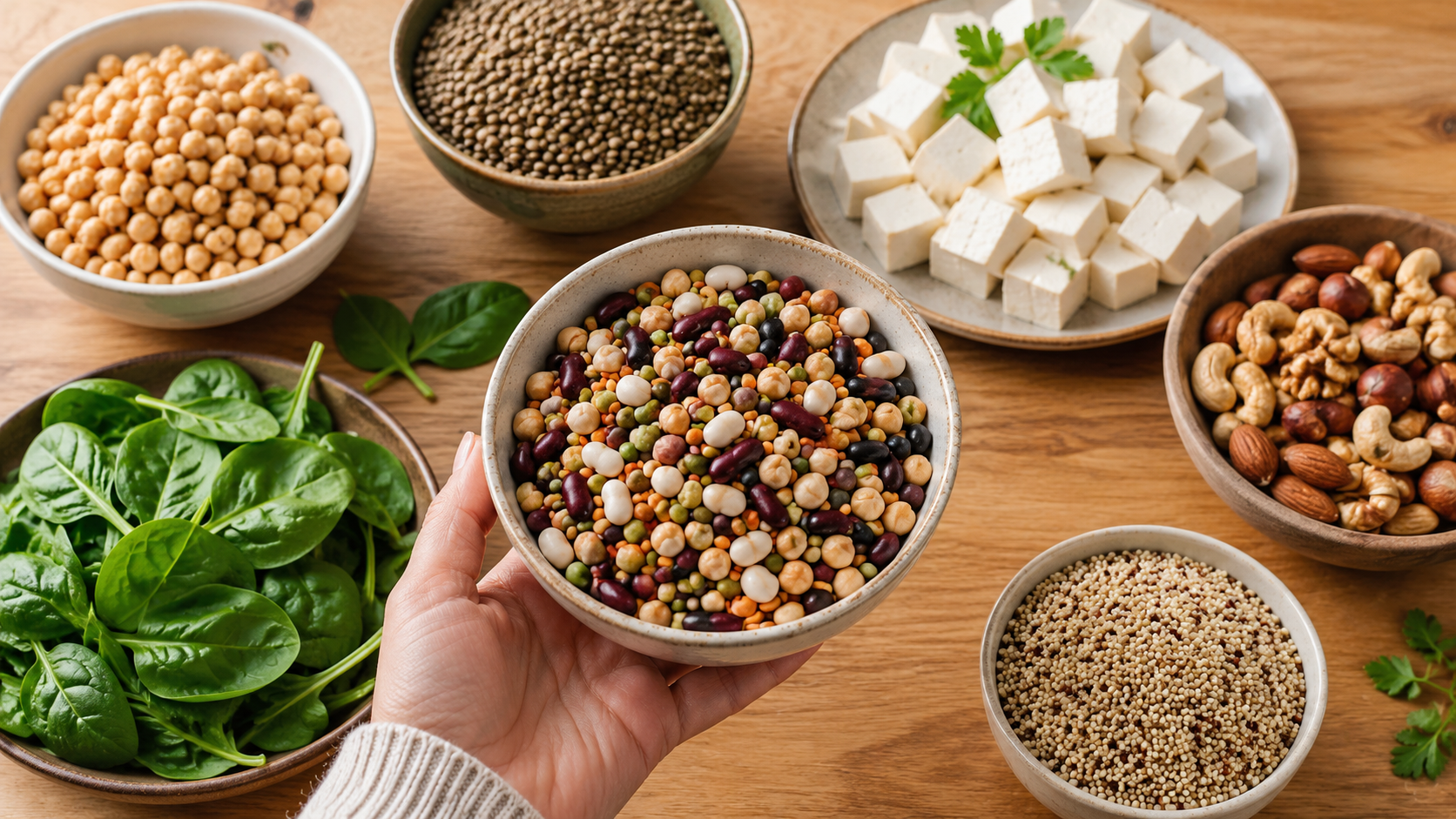
Interest in plant-based diets has grown for health, environmental, and ethical reasons. Plant proteins come from foods such as legumes, nuts, seeds, whole grains, and soy products. These foods provide not only amino acids but also fiber, vitamins, minerals, and phytochemicals that interact with the gut microbiome and the body’s immune system.
Researchers have been exploring how different protein sources influence the microbiome and intestinal inflammation. Animal and observational studies have provided mixed results, and clinical recommendations remain cautious. The new reporting adds to a larger conversation about dietary patterns and IBD.
What researchers found
According to coverage by Medical News Today, the study observed a link between higher proportions of protein coming from plant sources and markers suggestive of lower intestinal inflammation. The reporting emphasizes an association, meaning the findings point to a relationship rather than proving plant proteins directly cause a reduction in disease activity.
Potential mechanisms discussed by experts include the fiber and bioactive compounds in plant foods, which can nourish beneficial gut bacteria and produce metabolites that modulate immune responses. Plant-based proteins also have different amino acid profiles and lower saturated fat content compared with many animal proteins, which could influence inflammation pathways.
What to keep in mind
The evidence reported is preliminary and observational in nature. Observational studies can identify patterns but cannot establish causation. The study’s coverage does not provide details about study size, population, or methods, which are key to judging how broadly the findings apply.
Individual responses to dietary changes vary considerably in IBD. Some people with active inflammation or certain surgical histories may have trouble tolerating high-fiber foods or specific plant proteins. Highly processed plant-based products are not equivalent to whole plant foods and can be high in sodium, additives, or refined ingredients that may not benefit gut health.
Anyone considering significant diet changes should consult their gastroenterologist or a registered dietitian experienced in IBD. Dietary adjustments should be coordinated with medical treatment, and monitored for symptom changes, nutritional adequacy, and medication interactions.
The bottom line
Reporting in Medical News Today highlights a study that links greater intake of plant-based protein sources with signs of lower intestinal inflammation in the context of inflammatory bowel disease. The finding adds to emerging evidence that the source of protein may matter for gut health, but it does not prove a causal effect.
For people with IBD, a gradual shift toward whole plant proteins—such as beans, lentils, tofu, nuts, seeds, and whole grains—may be a reasonable option to discuss with a clinician or dietitian, alongside established medical care. More rigorous, controlled studies are needed to determine whether plant-based protein can meaningfully change the course of IBD.
Medical caution: Do not change or stop prescribed treatments based on these preliminary findings. Talk with your healthcare team before making dietary changes related to inflammatory bowel disease.