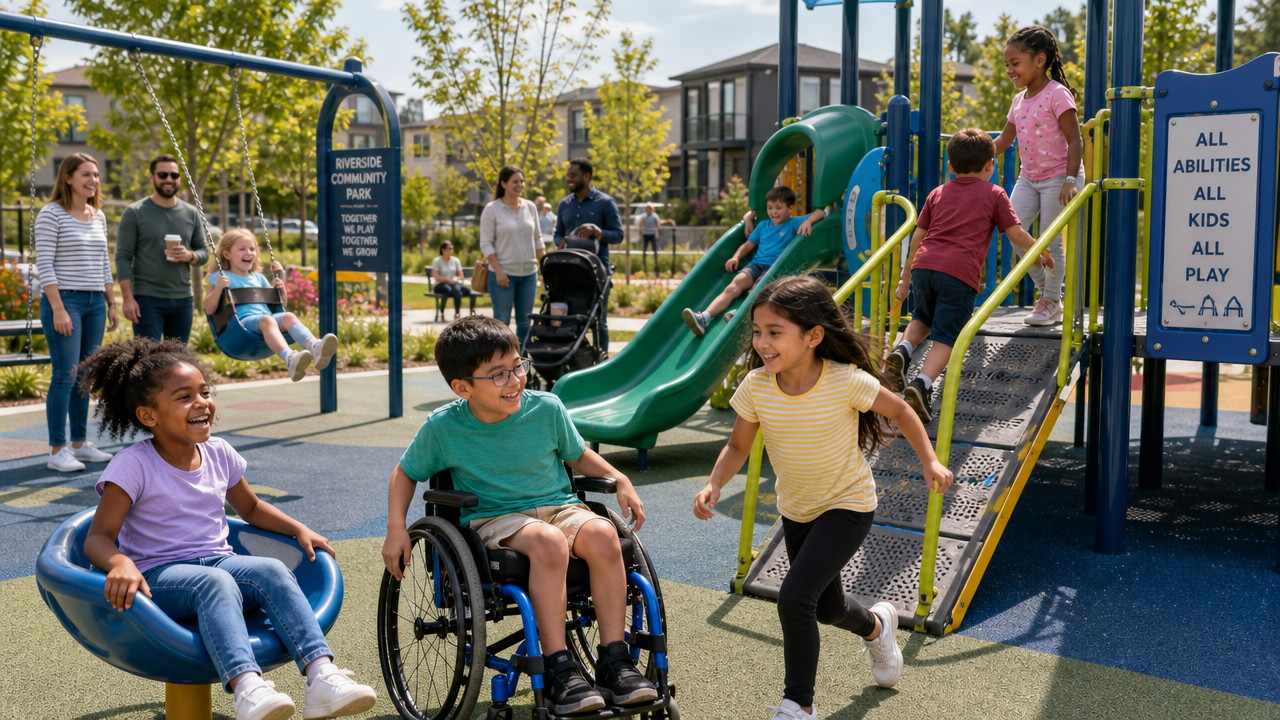
Medical News Today reports on a Sandusky Register story about a local playground initiative that aims to encourage active play and healthy habits among children. The original account highlights how outdoor play spaces can be used to promote physical activity, social interaction, and routines that support health.
Because the original news item provided limited detail, this article explains the broader context: why playgrounds are often cited as a public health tool, what evidence and guidance generally say about play and child health, and practical points parents and caregivers should consider.
Context
Playgrounds are a common feature of community planning and schoolyards. They offer opportunities for children to move, explore, test physical skills, and interact with peers. Public interest in playgrounds often rises when communities look for affordable, accessible ways to encourage active lifestyles for kids.
Evidence
Health experts and child development specialists generally view active play as a positive contributor to physical, social, and emotional development. Outdoor play supports movement and can help children practice balance, coordination, and strength. Time spent playing with peers also fosters communication, cooperation, and problem solving.
Why this matters
Opportunities for regular active play can fit into daily life more easily than structured exercise programs for some families. Playgrounds that are accessible, inviting, and safe can make it easier for caregivers to include outdoor activity in routines. For communities, well-designed play spaces can also encourage social connection among families and a stronger sense of neighborhood support for healthy behaviors.
Limitations
The original report did not include specific data on usage, outcomes, or long term effects of the playground initiative. Evidence in the wider field varies by setting and by how playgrounds are integrated into broader community efforts. A single playground alone is unlikely to change long term health outcomes unless it is part of consistent opportunities and supportive policies for children and families.
What to keep in mind
Not all playgrounds are the same. Design, maintenance, accessibility, supervision and local climate affect how useful a playground will be for promoting healthy habits. Caregivers should consider whether a site is age appropriate, well maintained, and inclusive for children with different abilities. Supervision and injury prevention measures are important. If a child has health concerns, consult a qualified health professional before changing activity routines.
The bottom line
The Sandusky Register story, as reported by Medical News Today, highlights a familiar idea: playgrounds can be practical settings to encourage active play and social habits that support child development. While play spaces alone are not a cure-all, they can be a helpful part of everyday life when designed and used thoughtfully. For individual medical questions or concerns about a child’s activity level, speak with a qualified health professional.