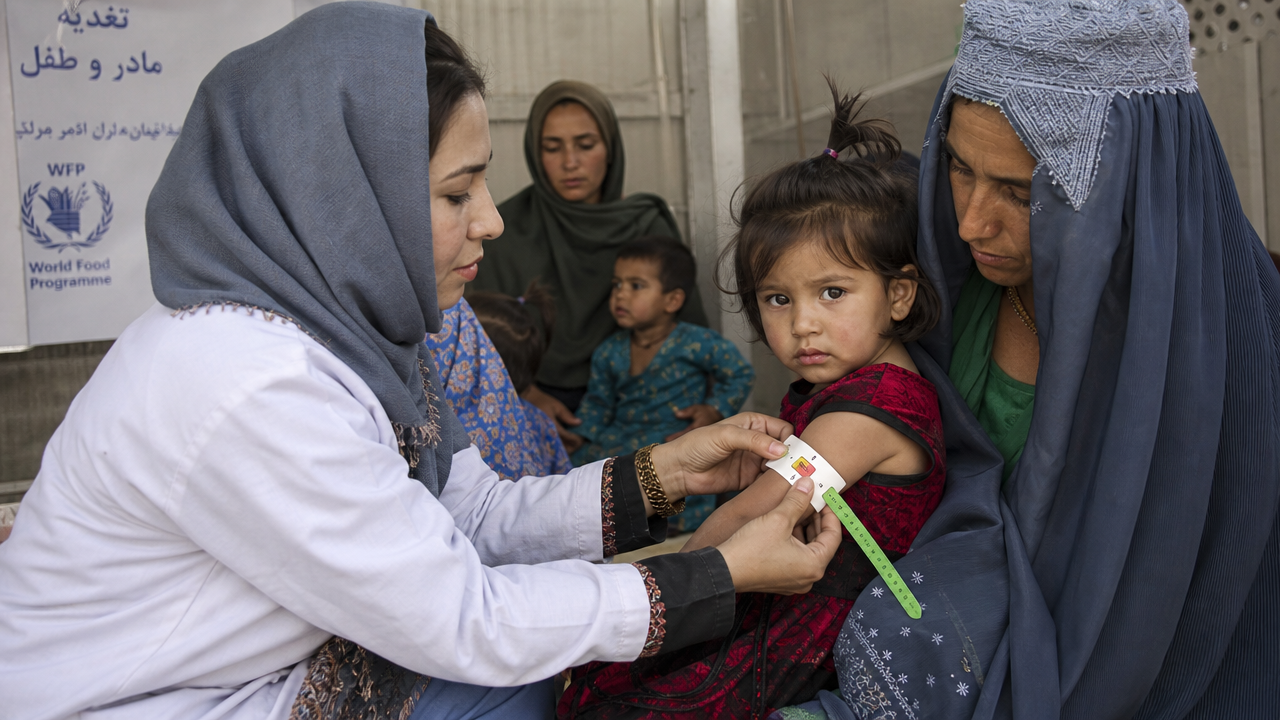
UNICEF has warned that roughly 3.7 million young children in Afghanistan are now at heightened risk of malnutrition, a development that could affect child growth, development, and survival if left unaddressed. This alert, reported by Medical News Today, highlights an urgent humanitarian concern for families and health services in the country.
According to reporting by Medical News Today summarizing UNICEF’s warning, the agency estimates 3.7 million young children in Afghanistan face increased malnutrition risk. The figure and the alert are central to international and local efforts to prioritize nutrition and child health services.
Context
Malnutrition among young children is a global public health priority because it can impair physical growth, brain development, and resistance to infection. In humanitarian settings, risks for malnutrition typically rise when households lose access to sufficient, safe, and nutritious food, and when health and water, sanitation, and hygiene services are disrupted.
In Afghanistan, a range of long standing and recent stresses have strained services and livelihoods. When children lack adequate nutrition in their first years, the health impacts can be immediate, such as increased risk of severe acute malnutrition, and long term, including delayed cognitive development. That broader context helps explain why warnings from humanitarian agencies attract international attention.
Evidence
The core fact reported by Medical News Today is UNICEF’s estimate: about 3.7 million young children in Afghanistan face a higher risk of malnutrition. UNICEF regularly monitors child nutrition indicators and issues alerts to mobilize donor support and coordinate aid delivery. Such estimates typically draw on routine health data, nutritional screenings, and assessments conducted by humanitarian partners on the ground.
Health agencies use measures like wasting (low weight for height) to identify urgent, life threatening nutritional deficits and stunting (low height for age) to capture longer term chronic undernutrition. Warnings from agencies like UNICEF are intended to trigger scaled responses, including therapeutic feeding programs, community screening, and support for maternal and infant feeding practices.
Why this matters
Early childhood is a critical window for nutrition. Insufficient nutrition at this stage is associated with higher illness and mortality, and it can reduce a child’s potential for healthy growth and learning. A large increase in the number of children at risk places pressure on clinics, outpatient treatment programs, and aid delivery systems, which may already be constrained.
International attention to such warnings matters because mobilized resources—food assistance, therapeutic feeding supplies, and trained health workers—can reduce preventable child deaths and improve recovery chances for malnourished children.
What to keep in mind
First, humanitarian estimates are snapshots intended to guide response, not precise head counts. The reporting in Medical News Today presents UNICEF’s estimate but does not include full methodological detail in the summary. Second, the term malnutrition covers a range of conditions from acute, life threatening wasting to chronic stunting; each requires different program responses.
If you are in Afghanistan or supporting people there, seek information from credible humanitarian agencies working in the area and local health authorities about available nutrition services. If you are outside the region and looking to help, consider donating to established humanitarian organizations with active nutrition programs. Always confirm the organization’s current operational presence and financial accountability before donating.
Limitations
The summary reported by Medical News Today conveys the central warning but provides limited public detail on how UNICEF derived the 3.7 million estimate, the specific age range included, regional distribution within Afghanistan, or how the risk has changed over time. Such details matter for planning targeted interventions and understanding which areas and populations are most affected.
In addition, rapidly changing conditions on the ground can alter needs assessments. Nutrition data collection in conflict-affected or hard to reach areas is frequently interrupted, which can affect the completeness and timeliness of estimates.
Reader takeaway
The headline figure signals a serious humanitarian concern: millions of young children in Afghanistan may require increased nutrition support. For readers, the most practical actions are to follow reputable news and humanitarian updates, support trusted organizations that provide child nutrition services, and be cautious of unverified appeals.
For parents and caregivers in affected areas, seeking local health services for nutrition screening and following the guidance of trained health workers is important. If you or someone you know is caring for a malnourished child, contact a qualified health professional or local clinic promptly. This article does not provide medical advice.
The bottom line
UNICEF’s warning, as reported by Medical News Today, draws attention to a large number of young children in Afghanistan facing elevated malnutrition risk. The alert aims to spur action from humanitarian agencies, donors, and local health systems. While the headline number is stark, more detailed data on geographic and demographic patterns would help tailor responses. Readers who want to help should rely on established humanitarian actors and seek guidance from health professionals when caring for children.