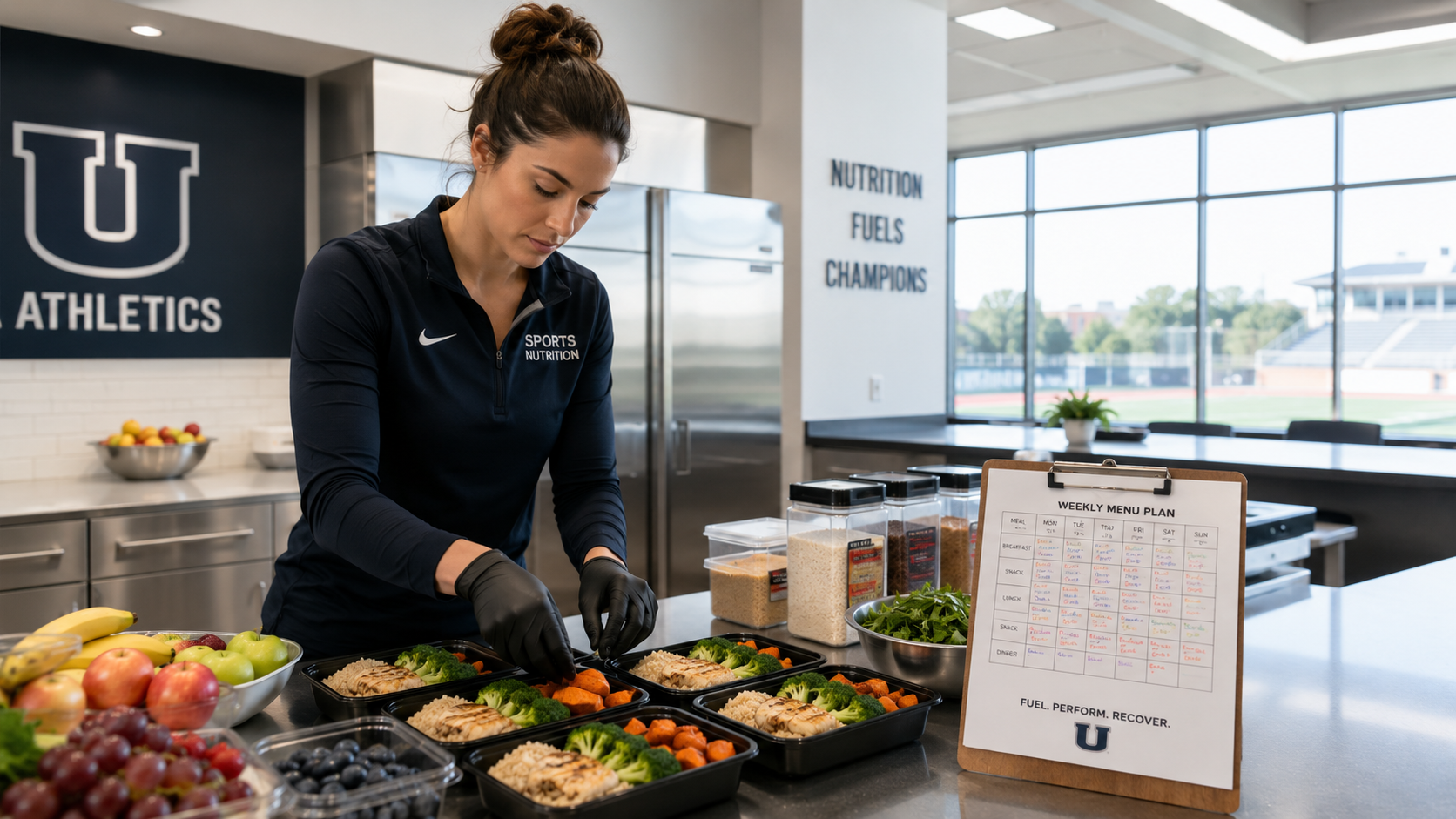
A University of Nevada, Las Vegas Nutrition Sciences alumnus has accepted the role of director of football nutrition at Penn State, a move reported by Medical News Today. The appointment highlights the growing professionalization of sports nutrition within collegiate athletics and underscores how specialized nutrition roles are becoming central to team programs.
Medical News Today covered the announcement and attributed the information to a UNLV report. The core fact reported is straightforward: a UNLV graduate with a background in nutrition sciences is now working in a leadership nutrition role for Penn State football.
Context
In recent years, colleges and professional teams have expanded their nutrition staffs, adding full-time dietitians, sports nutritionists, and directors to support athlete performance, recovery, and overall well being. Those roles typically involve planning menus, coordinating meal timing around practices and games, educating athletes and staff, and managing food-service operations geared toward high-performance needs.
For universities, hiring experienced nutrition professionals can help standardize approaches across strength, conditioning, and medical teams. For graduates of nutrition programs, such positions represent a viable career path that combines clinical knowledge, sports science, and food-service management.
Evidence
While the announcement itself is personnel news rather than a research finding, it reflects broader evidence that nutrition matters for athletes. Scientific literature generally indicates that appropriate fueling strategies can support training adaptations, help with recovery between sessions, and reduce risk of some injuries. Nutrition professionals working directly with teams aim to translate that body of research into practical plans tailored to the sport, training schedule, and individual athlete needs.
Directors of sports nutrition often collaborate with strength coaches, athletic trainers, and team physicians to align nutrition strategies with injury prevention and rehabilitation protocols. They also frequently manage logistics for team meals during travel, design individualized plans for players with specific medical or performance goals, and run education programs to improve athletes understanding of fueling and hydration.
Why this matters
The hire matters for several reasons. First, it signals that major programs continue to invest in dedicated nutrition leadership, which may improve how teams implement evidence-based fueling strategies. Second, it highlights career pathways for graduates of nutrition programs who want to work in athletics. Finally, for student-athletes and their families, the presence of a dedicated director can mean more consistent, coordinated support around daily meals, recovery, and performance-related nutrition.
What to keep in mind
There are limits to what a single hire can accomplish. Outcomes such as wins, injury rates, or individual performance depend on many factors, including coaching, training, medical care, and individual genetics. This announcement does not provide data on program outcomes or specific plans the new director will implement.
Also, university-level sports nutrition programs vary widely in staffing, budget, and facilities. The impact of any nutrition director will depend on the resources available, the degree of integration with coaching and medical staff, and how receptive athletes are to education and changes in routine.
Finally, while nutrition plays an important role in athletic health and performance, readers should remember that guidance must be individualized. Athletes with medical conditions, allergies, or special dietary needs should consult qualified health professionals before making significant changes to eating plans.
The bottom line
The Medical News Today report that a UNLV Nutrition Sciences alumnus has become Penn State’s director of football nutrition highlights the increasing importance of specialized nutrition roles in college sports. Such hires reflect broader trends toward evidence-based, team-integrated nutrition support. However, the announcement is a personnel update, not an outcome study, and its real-world impact will depend on implementation, resources, and coordination with other parts of the athletic program.
For students and early-career nutrition professionals, the move illustrates one possible career trajectory within sports nutrition. For athletes and families, it suggests more structured nutritional support may be available at some programs, but individual results will vary and professional medical advice remains key for specific health concerns.
Medical caution: this article summarizes reporting on a staffing announcement and discusses general principles of sports nutrition. It does not provide individualized medical or performance advice. Consult a registered dietitian or medical professional for personal recommendations.