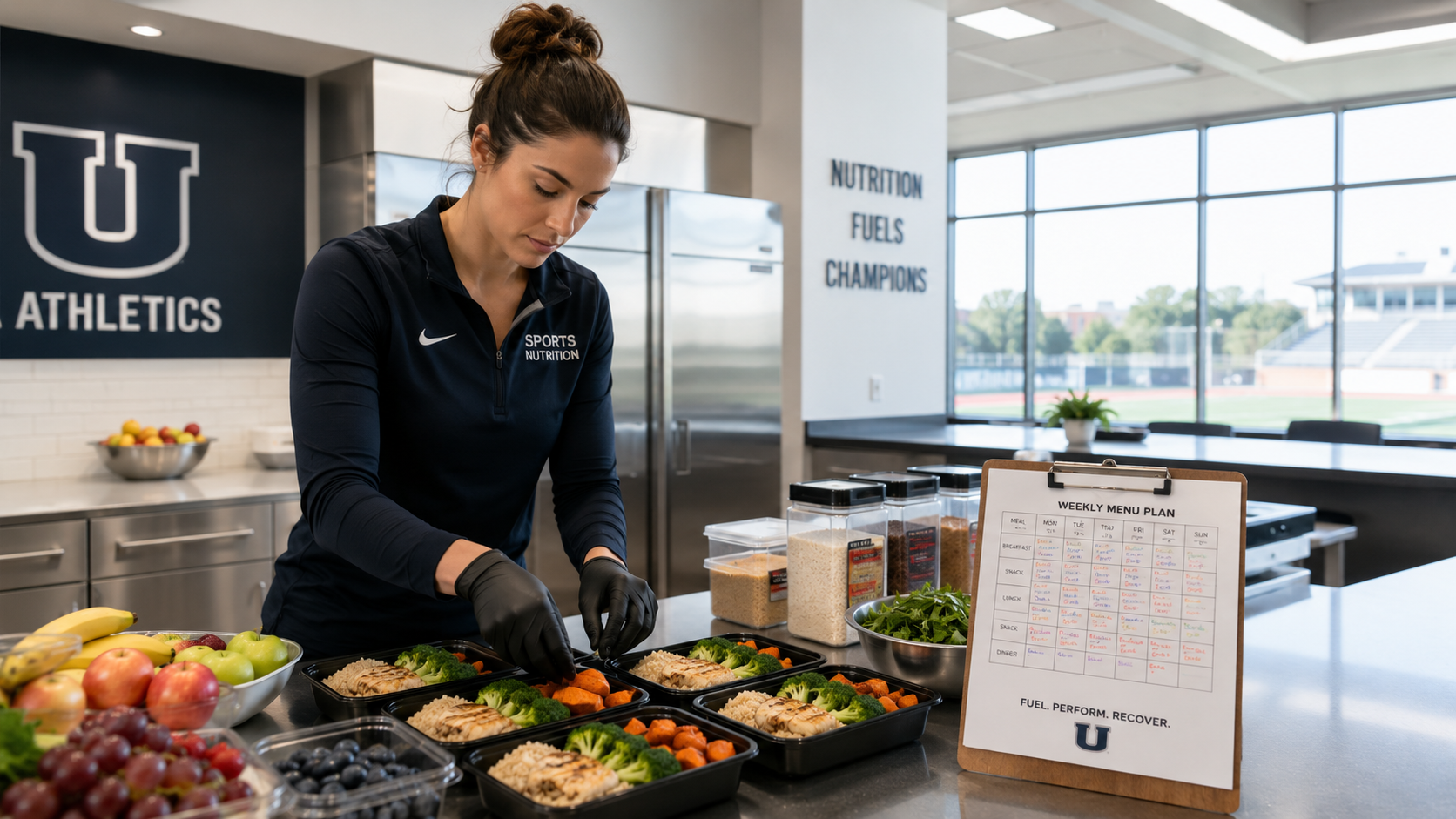
Medical News Today reports that kitchen workshops at Texas Woman’s University emphasized dairy’s role in health. The sessions, described in the report, aimed to demonstrate how dairy products can be integrated into everyday cooking.
Texas Woman’s University is identified in the Medical News Today coverage as the host of these workshops, which focused on practical food preparation along with nutrition messaging about dairy. The announcement highlights the program as an example of community education linking culinary skills and dietary guidance.
Context
Dairy foods, including milk, yogurt, and cheese, are common sources of dietary protein and certain minerals and vitamins in many diets around the world. Community cooking classes and workshops are a frequent method used by universities, public health departments, and nonprofits to teach people how to plan, prepare, and enjoy meals while conveying nutrition information.
Evidence
The Medical News Today report describes the workshops but does not present new scientific findings. Broadly speaking, scientific research on dairy and health has examined many outcomes, such as bone health, muscle maintenance, and metabolic risk factors. That body of research is complex: different study designs, populations, and dairy types produce varied results, and health authorities sometimes interpret that evidence differently.
Community workshops like those at Texas Woman’s University are educational events rather than clinical trials. They can be useful for showing techniques, portioning, and recipe ideas that make it easier for people to include or reduce specific foods in their diets according to personal needs and preferences.
Why this matters
Food skills and clear information can help people make everyday choices about what to eat. If dairy is part of someone’s diet, learning ways to prepare it safely, diversify choices, and fit it into balanced meals may support overall dietary quality. For others, workshops can highlight alternatives and ways to meet nutrient needs without dairy.
What to keep in mind
The Medical News Today piece reports on an educational program, not on new clinical evidence. Nutritional needs and tolerances differ between individuals. Some people have allergies or intolerances to dairy, others choose not to consume animal products for personal reasons, and dietary recommendations vary by age, health status, and cultural context.
Before making major changes to your diet, or if you have specific health conditions, consult a qualified health professional or registered dietitian who can provide personalized advice.
The bottom line
Workshops that combine cooking instruction with nutrition information, like those reported at Texas Woman’s University, can help people understand how dairy might fit into meals. They do not replace individualized medical or nutritional guidance, and the broader scientific evidence about dairy and health remains nuanced. Use workshops as a practical resource, and seek professional advice for personal dietary decisions.