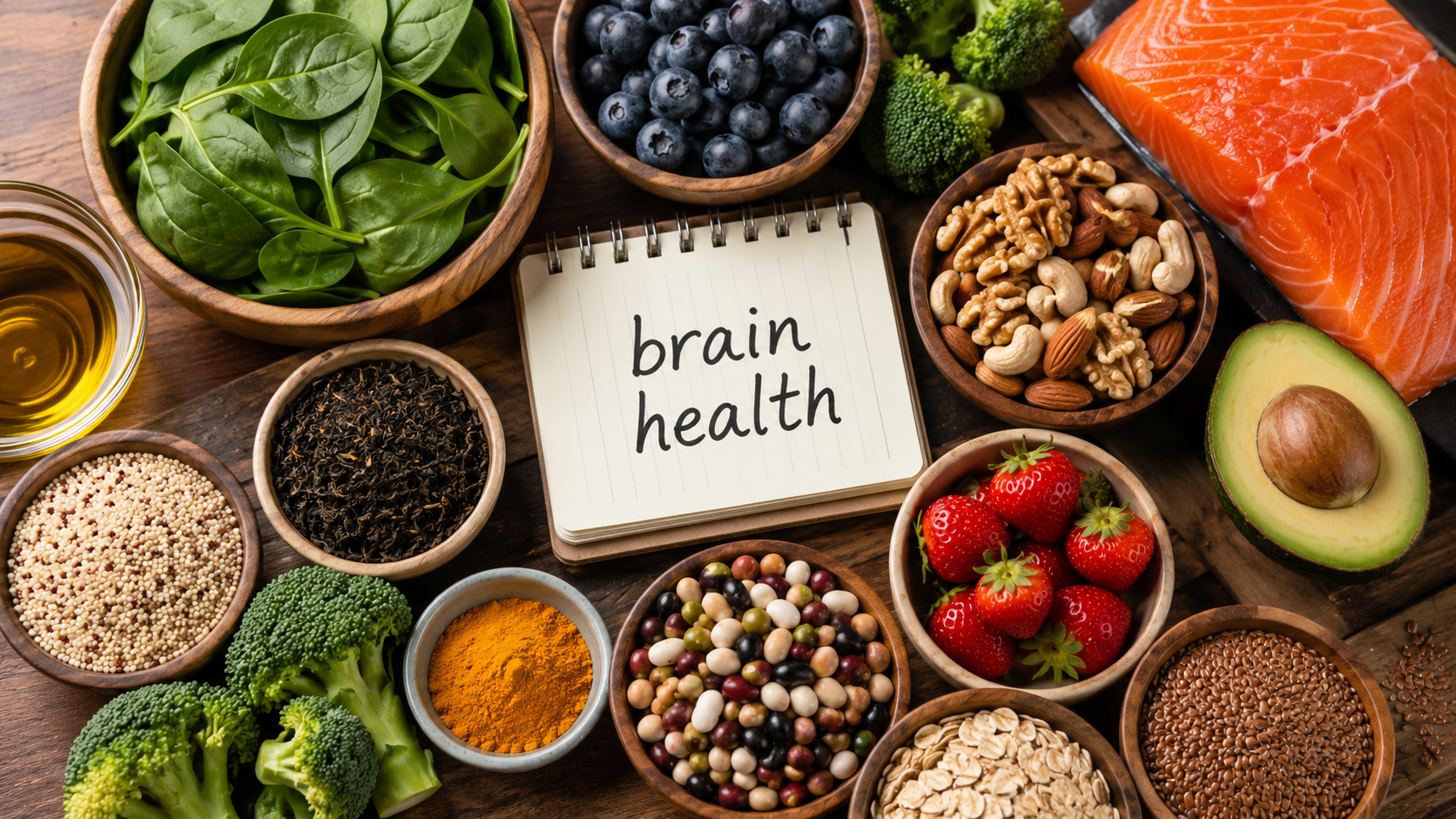
A large observational study reported in JAMA Network Open and covered by Medical News Today found that older adults whose habitual diets had lower inflammatory potential had a lower likelihood of developing dementia over long-term follow-up. The strongest associations appeared among people who already had early blood signs linked to Alzheimer’s disease.
The analysis used data from the Swedish National study on Aging and Care in Kungsholmen and followed 1,865 participants for up to 15 years. Researchers compared three measures of diet quality and found that a diet pattern designed to reflect lower inflammatory potential was associated with a 21% to 29% lower dementia risk among people with elevated Alzheimer’s-related blood biomarkers.
Context
Dementia affects tens of millions of people worldwide and is expected to become more common as populations age. Genetics plays a role in risk, but lifestyle factors also influence whether and when symptoms appear. Previous research has linked healthy eating patterns, such as Mediterranean-style diets, to better brain outcomes, but it has been unclear whether certain diet qualities matter more once biological signs of Alzheimer’s pathology are present.
Evidence from the study
The investigators measured participants’ usual food intake with a 98-item questionnaire and scored diets against three established indices: an Alternate Mediterranean Diet score that emphasizes vegetables, fruits, legumes, nuts, whole grains, fish and limited red and processed meat; the Alternative Healthy Eating Index that reflects overall diet quality for chronic disease prevention; and a reversed Empirical Dietary Inflammatory Index, or rEDII, which ranks diets by their inflammatory potential (higher rEDII means a pattern associated with lower systemic inflammation).
Over the follow-up, 240 of the 1,865 people developed dementia. Among participants with higher levels of blood biomarkers associated with Alzheimer’s processes, including phosphorylated tau 217 (p-tau217), neurofilament light (NFL), and glial fibrillary acidic protein (GFAP), better scores on the anti-inflammatory diet index (rEDII) were linked with a 21% to 29% lower risk of later dementia. By contrast, the Mediterranean-style score appeared protective mainly in people with lower baseline biomarker levels.
Why this matters
The study adds nuance to existing evidence that diet quality is relevant for brain aging. It suggests that dietary patterns that lower systemic inflammation could be particularly helpful for people who already show biological signs of Alzheimer’s-related changes, potentially by reducing inflammatory stress that contributes to neuronal injury. If confirmed, this would support recommending anti-inflammatory dietary patterns as part of broader strategies to promote brain resilience with age.
What to keep in mind
This research is observational, which means it can identify associations but cannot prove that changing what you eat will prevent dementia or alter the course of disease. The authors and outside experts caution that the findings do not demonstrate causation and do not show that adopting these diets after Alzheimer’s biomarkers appear will necessarily change outcomes.
Other limitations include reliance on a food frequency questionnaire, which can misclassify intake, and the study population being from a specific Swedish cohort, which may limit generalizability. The rEDII score captures an inflammation-related dimension of diet but is only one of many ways to measure dietary quality. Finally, the protective effects differed by biomarker status, underscoring that diet is only one factor in a complex mix that determines dementia risk.
The bottom line
This study, published in JAMA Network Open and reported by Medical News Today, strengthens evidence that diets lower in inflammatory potential are associated with reduced dementia risk in older adults, particularly among those with early blood markers linked to Alzheimer’s. It does not prove causation, but it supports existing guidance to favor whole plant foods, fish, nuts and whole grains while limiting highly processed foods, sugary drinks and processed meats.
For people worried about dementia risk, focusing on an overall heart-healthy, anti-inflammatory pattern may be a reasonable part of a prevention plan that also includes physical activity, blood pressure and diabetes control, hearing care, and avoiding smoking and excess alcohol. As always, discuss major diet changes with your clinician or a registered dietitian to ensure they are appropriate for your personal health needs.