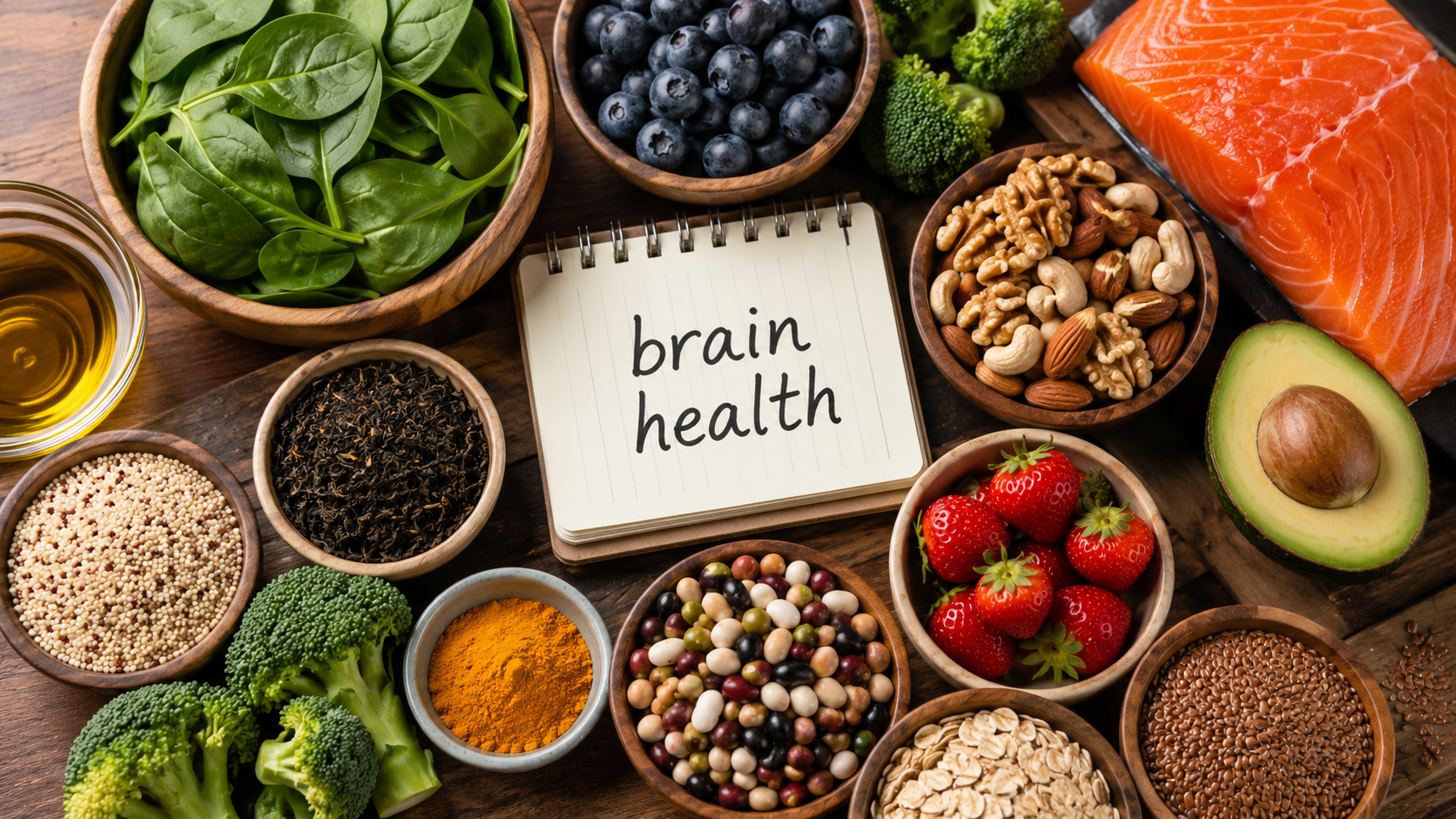
Old Dominion University is emphasizing the role of nutrition in shaping the future of healthcare, framing food and dietary strategies as a part of prevention, treatment support, and health system planning.
The reporting on this perspective appeared in Medical News Today, which summarized Old Dominion University’s focus on nutrition as a lever for improving health outcomes and informing healthcare practice.
Context
Nutrition influences many aspects of health, from supporting normal bodily function to modifying risk for long term conditions. In recent years, clinicians, health systems, and public health organizations have increasingly discussed integrating nutrition more fully into prevention and chronic disease management. Universities and health programs contribute to that conversation by training professionals, conducting research, and testing new approaches.
Evidence
Medical News Today’s coverage highlights Old Dominion University’s interest in these topics, but the article does not present detailed new study results. Broadly speaking, a substantial body of research links diet quality to risks for conditions such as heart disease, type 2 diabetes, and some cancers. Nutrition interventions are also used as adjuncts to medical care, for example to manage malnutrition during illness or support recovery after surgery.
Why this matters
Putting nutrition into the center of healthcare conversations matters because it shifts focus from treating disease after it occurs to lowering the likelihood of disease through preventive strategies. If clinicians, educators, and health systems prioritize nutrition, that could influence training, patient counseling, community programs, and how resources are allocated.
What to keep in mind
The Medical News Today summary provides an overview of the university’s viewpoint but does not offer new trial data or concrete program outcomes. Translating nutrition science into clinical practice is complex. Effective change requires validated protocols, workforce training, reimbursement models, and attention to social and economic barriers to healthy eating. Individual nutrition needs vary widely, so general recommendations are not a substitute for personalized care.
The bottom line
Old Dominion University’s emphasis on nutrition reflects a broader trend in health care toward prevention and lifestyle-informed care. The idea is evidence informed, but the specifics on how programs will change care or improve outcomes were not detailed in the reporting. People interested in using diet to support health should consult qualified health professionals—such as registered dietitians or primary care clinicians—before making significant changes to treatment or nutrition plans.