Medical News Today reports that following an anti-inflammatory approach to eating may help support healthier aging. The article summarizes common recommendations and the rationale behind them, framing diet as one possible factor among many that influence age-related health.
This piece draws on the Medical News Today coverage to explain what people mean by anti-inflammatory nutrition, why researchers and clinicians pay attention to it, and what the available guidance looks like for everyday choices.
Context
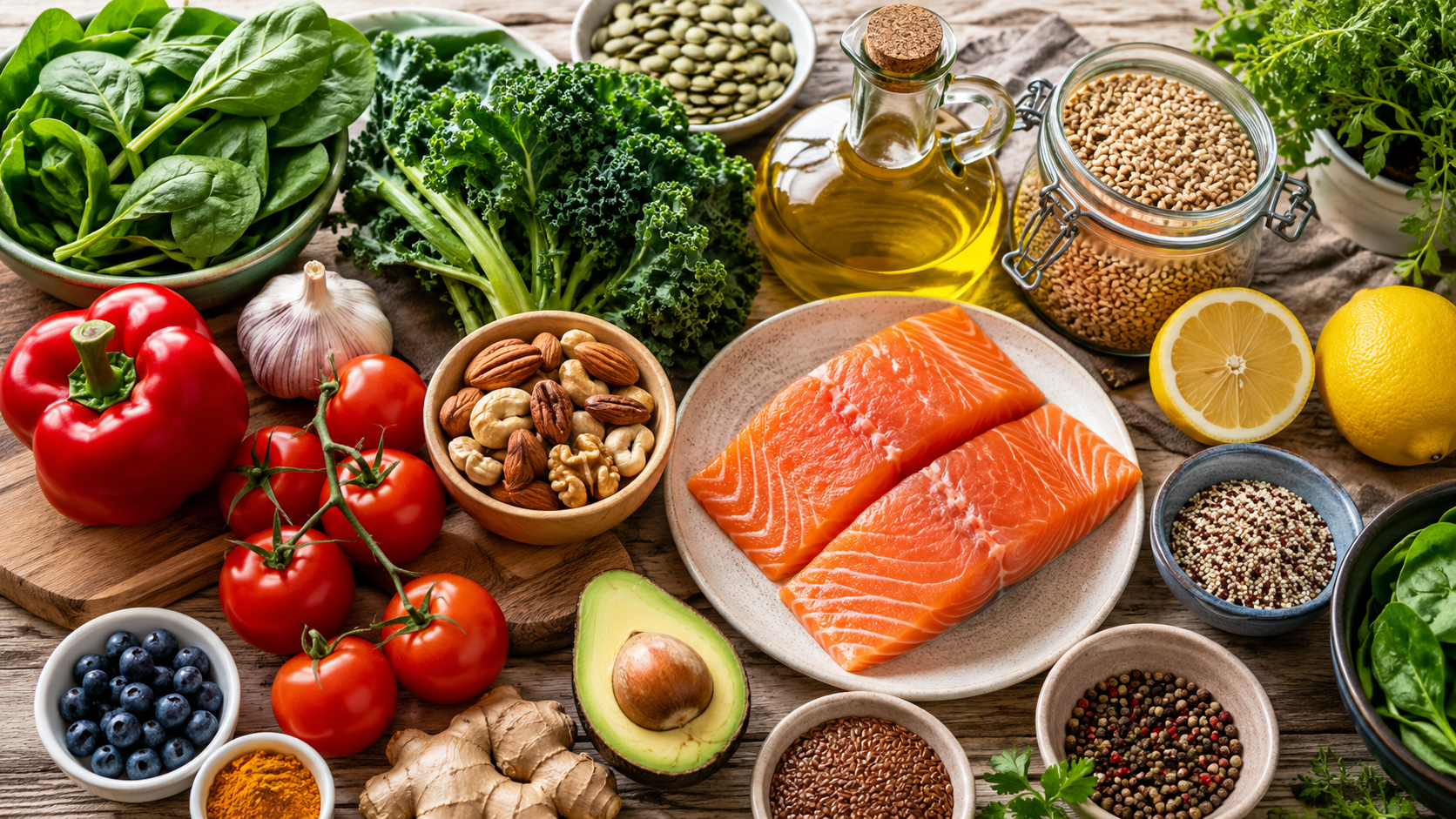
In popular and scientific discussions, an anti-inflammatory approach to nutrition generally refers to dietary patterns that emphasize whole, minimally processed foods and reduce intake of highly processed items. Practitioners and nutrition writers often point to fruits, vegetables, whole grains, legumes, nuts, seeds, and certain sources of unsaturated fats as central elements of such patterns.
Evidence
Medical News Today notes that nutrition can influence biological pathways related to inflammation. The article summarizes evidence linking particular foods and overall dietary patterns with markers that researchers use to measure inflammation. That body of research includes observational studies looking at long-term dietary habits and clinical trials that test specific foods or nutrients over shorter periods.
Because the source provides an overview rather than a single definitive trial, the takeaway is that nutrition is one of several modifiable factors that may affect health during aging. Diet is often studied alongside physical activity, sleep, chronic disease management, and other lifestyle elements.
Why this matters
As people age, maintaining function and reducing the risk of chronic conditions are common priorities. If dietary patterns can help reduce low-grade inflammation that is associated with some age-related conditions, they could be a practical part of a broader prevention or health-promotion plan. Food also affects energy, muscle maintenance, gut health, and medication interactions, all of which matter for older adults.
What to keep in mind
The Medical News Today overview emphasizes several important caveats. First, not all studies measure the same outcomes, and observational research cannot prove cause and effect. Second, individuals respond differently to dietary changes because of genetics, medications, existing health conditions, and overall lifestyle. Third, single nutrients or supplements are not substitutes for a balanced dietary pattern.
For people taking medications or managing chronic disease, some anti-inflammatory foods or supplements can interact with treatment. Always discuss major dietary changes with a qualified health professional, especially if you have chronic conditions or are on multiple medications.
Limitations
The Medical News Today article provides a summary rather than new clinical trial data. It does not establish that a specific anti-inflammatory diet will prevent or reverse particular age-related diseases. Many studies in this area are observational or short-term, and questions remain about which components of diet matter most, and how much change is needed to see meaningful benefits.
The bottom line
Medical News Today highlights anti-inflammatory nutrition as a potentially helpful part of aging well, but not a standalone cure. Emphasizing a variety of whole plant foods, healthy fats, and minimized ultra-processed foods is a sensible, low-risk approach for many people. Discuss personalized recommendations with a clinician or registered dietitian before making major changes.