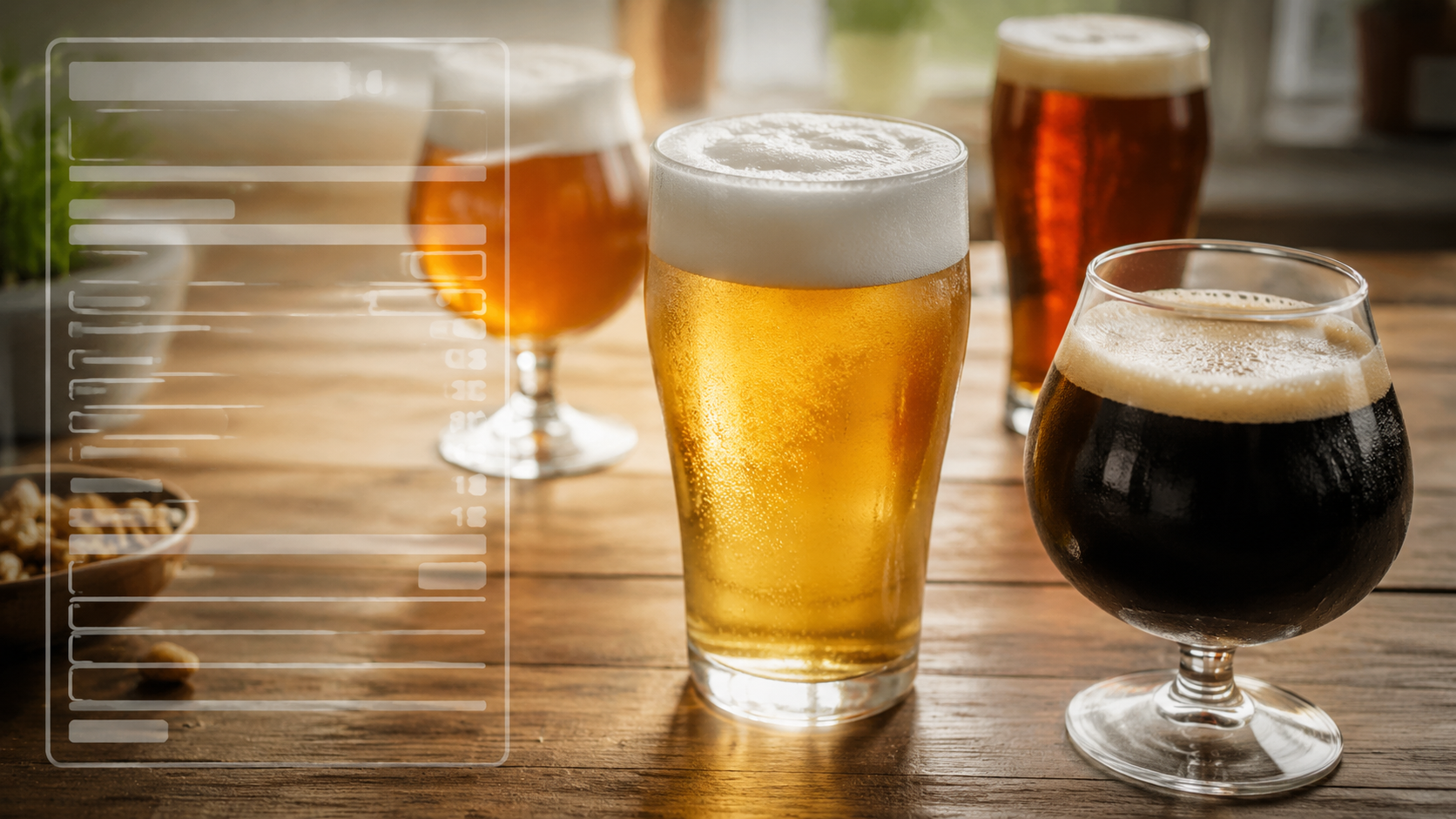
Medical News Today recently published a guide on the health effects and nutrition of beer. That article aims to collect evidence and explain what beer contains and how it might affect health.
Below I explain how to read that kind of coverage, what to look for in the evidence, and what questions to ask before changing your habits. This is based on the fact that Medical News Today produced the original piece; it is not a summary of any specific studies or claims beyond that publication.
Why this matters
Articles about the health effects and nutrition of common foods and drinks matter because they influence everyday choices. When a respected health outlet addresses a topic like beer, many readers use that information to decide whether to drink it, how much to drink, and whether to consider alternatives.
Good coverage can help people understand the balance of potential benefits and harms, and put research findings in practical terms. But health reporting also varies in quality, so knowing how to evaluate it can help you separate useful guidance from overreach or oversimplification.
Context: what coverage like this typically covers
Guides on beverages commonly include a nutrition breakdown, discussion of short and long term effects, and summaries of scientific research. They may mention calorie content, alcohol strength, and nutrients or compounds of interest. They often summarize studies that suggest possible links to health outcomes and may quote health organizations or experts.
Because these topics intersect with public health, lifestyle, and personal risk factors, reputable articles try to present evidence clearly and to explain uncertainty. When reading the Medical News Today article, look for those elements: clear sourcing, explanation of study types, and practical guidance about limitations.
Evidence: how to judge the claims
When an article cites research, check what kinds of studies it relies on. Randomized controlled trials, systematic reviews, and meta-analyses are generally stronger for establishing cause and effect than single observational studies. Observational studies can show associations but cannot prove causation, and they are vulnerable to confounding.
Also note whether the reporting references major health authorities or clinical guidelines. Transparent pieces list the original studies and note conflicts of interest. If a story highlights a single study, check whether later or larger studies confirm the result.
Another important element is how the piece frames findings. Responsible reporting will avoid definitive language when the evidence is mixed or limited, and it will place any potential effect size into everyday terms so readers can understand practical relevance.
What to keep in mind
First, individual risk varies. Factors such as age, medical history, medications, pregnancy, and family history matter when considering any beverage. Second, many published studies differ in quality and in the populations they studied, so results may not apply to everyone.
Third, nutrition and health effects are often dose dependent. The quantity and frequency of consumption usually change potential risks or benefits. Finally, conflicts of interest can affect research and reporting; pay attention when studies are funded by industry or when articles omit funding information.
Because of these issues, consult a qualified health professional before making decisions that affect your health, especially if you have chronic conditions or take medications.
The bottom line
Medical News Today has published a guide on beer health effects and nutrition. When you read it, evaluate the underlying evidence, check for clear sourcing, and watch for overgeneralized claims. Look for summaries of study types, transparent limitations, and practical guidance that applies to your personal situation.
If the piece raises questions for you about drinking and your health, bring those questions to a clinician who knows your medical history. Health coverage can be a useful starting point, but personal medical advice requires a qualified professional.
Medical caution: this article does not provide medical advice. For personalized decisions about alcohol or any other health behavior, speak with a qualified health professional.